







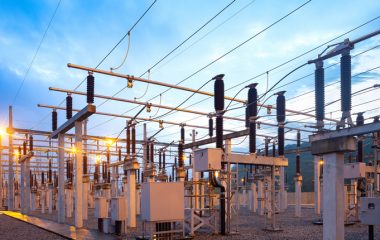
Photo: Municipality of Kranj


The trend of installing rooftop solar on public buildings to create energy communities is gaining momentum in Slovenia, with two more cities, Velenje and Kranj, joining the initiative. Similar projects were recently announced in Celje, Šoštanj, and Novo Mesto.
Velenje plans to install solar power plants on 13 public buildings in cooperation with ECE, a subsidiary of state power utility Holding Slovenske Elektrarne (HSE). The total capacity of the proposed installations is about 1.97 MW, with an estimated annual electricity output of more than 2.1 GWh.
The project, valued at EUR 1.97 million, is expected to save the municipality over EUR 157,000 in electricity costs annually. Financing is provided through the European Union’s Recovery and Resilience Facility (RRF) and the National Recovery and Resilience Plan. The municipality itself is contributing EUR 530,755.
This model involves the internal exchange of produced electricity, enabling municipalities to optimize consumption and reduce dependence on the market. Photovoltaic plants are installed on the roofs of structures such as sports facilities, administrative buildings, health centers, bus stations, schools, and kindergartens.
Energy communities help municipalities increase energy independence
In Kranj, 16 rooftop solar power plants, with a total capacity of 2 MW, will be installed on public buildings, in a EUR 1.5 million public-private partnership project carried out in cooperation with GEN-I. The municipality has obtained a state subsidy of EUR 700,000, while the remaining amount will be provided by the private partner.
The new solar power plants should be installed by next summer. They are expected to provide electricity for a total of 22 public buildings, cutting their electricity bills in half, according to a statement from the local authority. Kranj already has two rooftop solar plants on public buildings, installed in 2012 and 2013 respectively, it recalled.
In September, contracts were signed in Celje, Šoštanj, and Novo Mesto to install rooftop solar power plants on public facilities.
The project in Celje involves 11 installations with a total capacity of 1.4 MW, which is expected to bring about EUR 200,000 in annual savings. The contract in Šoštanj is for power plants at four public facilities, totaling 500 kW, with expected annual savings of EUR 70,000. In Novo Mesto, a private partner plans to build and operate ten new solar power plants on municipal land and structures.


Be the first one to comment on this article.