





Photo: Ministry of the Environment, Climate and Energy


In cooperation with the Jožef Stefan Institute, the Ministry of the Environment, Climate and Energy has issued the first national assessment of climate vulnerability and risks for the energy sector. The analysis shows that the sector is moderately vulnerable under current climate conditions.
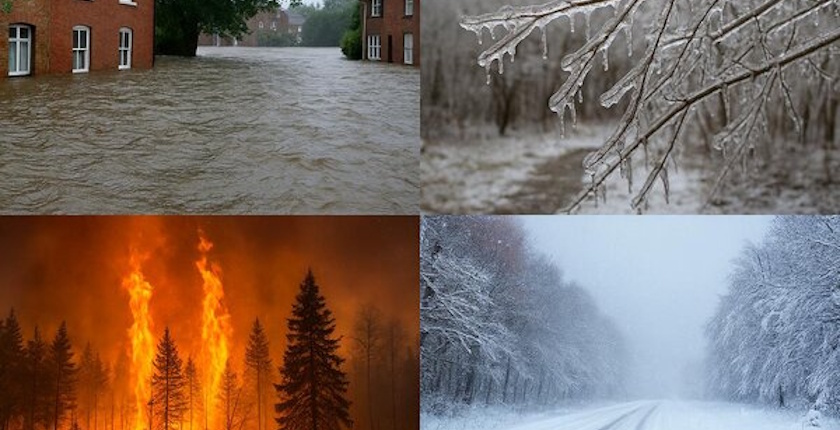
The main threats to the energy sector in Slovenia are floods, fires, storms, landslides, sleet and wet snow, heatwaves, and drought.
The assessment of climate vulnerability and risks for the energy sector was produced in line with the IPCC AR5 methodology and the national guidelines of the Faculty of Biotechnology.
The greatest threat to the energy sector are floods, which jeopardize fuel storage, substations, electricity distribution networks, and other elements of the supply chain, the ministry underscored.
The most important subsystem is liquid fuels
By using weighting and considering the current energy mix and the state of infrastructure, the most important subsystems for the functioning of the overall system are liquid fuels (34%) and electricity (33%), followed by natural gas (18%), solid fuels (10%), and heat (5%), the assessment reads.
This reflects a high dependence on imported liquid fuels and the key role of electricity in all consumption sectors, the ministry explained.
The overall weighted vulnerability score for the energy sector is 2.3 on a scale of one to five, with the electricity subsystem having the highest vulnerability, 2.6.
Electricity distribution grids, solar power plants, and fuel transport and logistic routes also show high vulnerability, according to the assessment.
Subsector ratings:
- electricity subsector (2.6)
- liquid fuel supply (2.2)
- solid fuel supply (2.2)
- natural gas supply (around 2.0)
- heat supply (1.9)
Regarding individual elements of the sector, the most vulnerable are the electricity distribution network (3.5), electricity transmission system and imports (3), preparation of firewood, wood chips and pellets, and photovoltaic plants (3); vehicles/tanks for liquid fuels and vehicles/trucks for solid fuels, fuel stations, and other renewable energy sources (2.5).
The identified risks are expected to intensify in the future
The assessment reveals that Slovenia’s energy sector comprises critical elements whose failure could lead to significant supply disruptions.
It provides a technical basis and starting point for preparing a climate change adaptation strategy and for drafting measures such as strengthening infrastructure resilience, reviewing planning for new facilities, and incorporating climate risks into strategic documents and investment plans, according to the ministry.
Climate change scenarios indicate that the already identified risks will intensify in the future – especially floods, storms, and heatwaves.
The ministry said it would be necessary to implement adaptation measures to ensure a reliable energy supply.


Be the first one to comment on this article.