


Countries of Southeast Europe have set up the first regional taskforce, as part of the EU Energy Purchase Platform, the bloc’s platform for the common purchase of gas, LNG and hydrogen. The aim of the taskforce, set up in Sofia today, is for SEE countries to jointly diversify their energy supplies, most of all gas deliveries, and strengthen energy security. The states, predominantly dependent on Russian gas supplies, insisted on the region’s unity and solidarity in finding solutions to the energy crisis.
Representatives of Bulgaria, Greece, North Macedonia, Romania, Serbia, Turkey, Ukraine, Azerbaijan, and the European Commission also discussed decarbonization and the green transition.
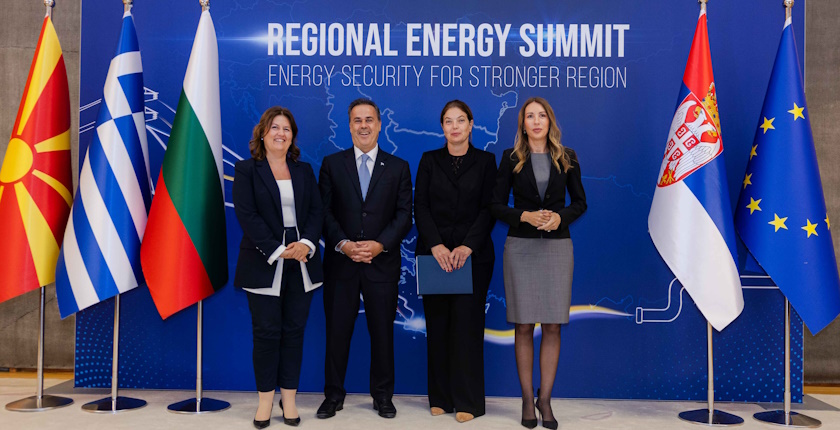
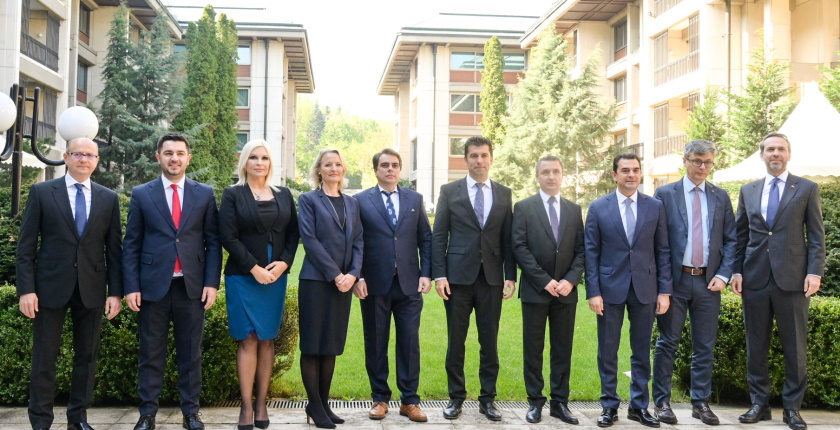
The taskforce was established at a ministerial meeting called “Southeast Energy Transition – Regional Cooperation for Energy Security, Diversification and Transition.” It was attended by energy and environment ministers of Bulgaria, Alexander Nikolov, Greece, Kostas Skrekas, North Macedonia, Kreshnik Bekteshi, Romania, Virgil Daniel Popescu, Serbia, Zorana Mihajlović, Turkey, Alparslan Bayraktar, Ukraine, Herman Haluschenko, and Azerbaijan, Parviz Shahbazov. Also present at the meeting were Ditte Juul Jorgensen, head of the European Commission’s Directorate-General for Energy, as well as Bulgarian Prime Minister Kiril Petkov and Finance Minister Assen Vassilev.
The regional taskforce will support and coordinate joint preparedness plans, including international purchase, storage and interconnections
The regional taskforce is a result of the meeting held a week ago between representatives of the European Commission and Bulgaria following a decision by Gazprom to halt gas deliveries to Bulgaria’s Bulgargaz for its failure to pay in rubles.
The commission then said that the taskforce would look at gas and electricity needs, prices and flows, as well as infrastructure aspects.
It will support and coordinate the implementation of the joint preparedness plans in the region, including international purchase, storage and interconnections, as well as provide specific regional expertise and know-how to develop and implement the REPowerEU action plan, the commission said.
Juul Jorgensen: the EU will offer solutions for regional energy security
Ditte Juul Jorgensen, head of the European Commission’s Directorate-General for Energy, has said that energy has been weaponized and that the best response is solidarity, agency BTA reported.
Russia’s decision to halt deliveries is an attempt to divide the EU, and the answer must be solidarity, she said.
According to Jorgensen, the commission’s experts will present options for regional energy security. The advice will come through the taskforce, she said.
Nikolov: put aside differences, and unite in finding the best solutions
Bulgarian Energy Minister Alexander Nikolov said that most of the solutions discussed are medium- and long-term, BTA reported. The short-term ones are related to the spot market, such as an agreement between gas supply companies from Greece and Bulgaria – DEPA and Bulgargaz, which would optimize their costs.
Nikolov called on all countries to put aside differences, and unite in finding the best solutions.
Bekteshi: interconnector with Greece would secure an alternative to Russian gas
Kreshnik Bekteshi, economy minister of North Macedonia, also asked for unity and solidarity and for setting aside historical issues.
North Macedonia is a small country in the Balkans, but it is involved in all regional initiatives in order to ensure the security of gas supplies, as well as to diversify the sources of supply, he added.
Bekteshi said that the gas interconnector with Greece is in the final stage of construction, while another one near Strumica is being negotiated with Bulgaria. Currently, North Macedonia has only one entry point for gas, a pipeline from Bulgaria, and its sole supplier is Russia.
Serbia will be able to import LNG from September 2023
On the sidelines of the ministerial meeting, companies Bulgartransgas and DZZD International Gas signed an agreement on the design, delivery of materials and equipment, construction and commissioning of Bulgaria’s part of the gas interconnector with Serbia.
Serbia’s energy and mining minister Zorana Mihajlović said that works on the Serbian part started in January. She expects the pipeline to be finished by September next year. The interconnector will secure Serbia alternatives to Russian supplies, from LNG terminals in Greece or from Azerbaijan, she said.
According to Romanian Energy Minister Virgil Daniel Popescu, cooperation, adaptability, and diversification are tools for the termination of dependence on Russian gas supplies.
Plans for the use of gas as a transitional fuel now must be reconsidered, while investments in renewables must be accelerated, Popescu said.
Mihajlović: diversification and joint strategic reserves are key to regional security
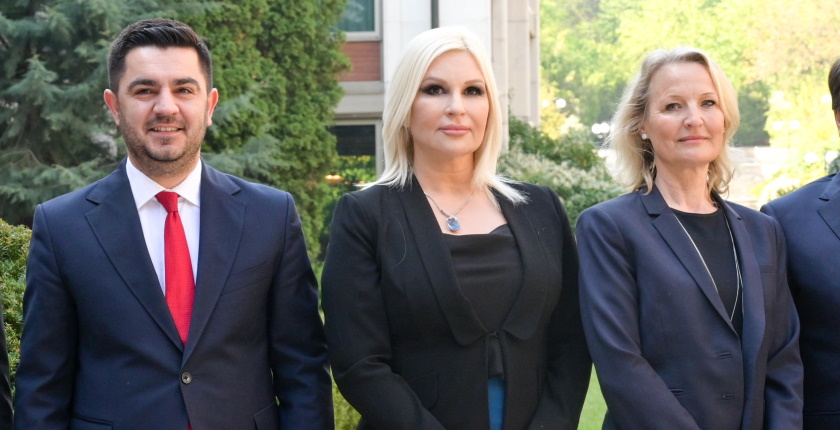
Serbia’s Deputy Prime Minister and Minister of Mining and Energy Zorana Mihajlović said that diversification of gas supplies and joint strategic reserves are key to regional security. The vital priority for Serbia is the completion of the interconnector with Bulgaria, she added.
Different supply routes and suppliers of gas and oil, in her words, are the only way for a country to be stable, because when one country is unstable, then it affects the entire region.
The meeting sent a message of solidarity
The meeting is the basis for all decisions we will make as a region, in cooperation with the European Commission and the Energy Community Secretariat, including coordinated implementation of plans, joint purchase and storage, as well as the further construction of interconnections, she said.
Mihajlović also stressed Serbia’s intention to construct interconnectors with Romania and North Macedonia.
The regional taskforce will contribute to reducing dependence on one supplier and increase energy security in the region, said Mihajlović, and added that the meeting sent a message of solidarity.