


North Macedonia’s new NECP, covering the period from 2025 to 2030, brings 61 measures for a strong renewables growth and European standards in energy. The government has vowed to take steps to increase investments in solar, wind and hydropower, introduce a carbon pricing system, develop energy storage and gradually abandon coal.
The Government of North Macedonia adopted the Integrated National Energy and Climate Plan 2025-2030, the Ministry of Energy, Mining and Mineral Resources said. It is a strategic document that sets the country on a clear path towards energy transformation, sustainable development, and full alignment with European policies, it explained. Such plans are known for their acronyms NECP and INECP.
The document, developed upon a proposal from the ministry, is a key instrument for modernizing the energy sector and fulfilling obligations under the Energy Community and European regulations.
There are 61 measures proposed in the NECP, of which 26 are for decarbonization and 20 cover energy efficiency. Eleven are for the internal energy market, leaving three that concern energy security and one for research, innovation and competitiveness.
North Macedonia’s NECP envisages strengthening energy security through diversification of sources, new interconnections and market liberalization and integration
The focus is clear – reducing greenhouse gas emissions, increasing renewable energy and significantly improving energy efficiency, the ministry stressed.
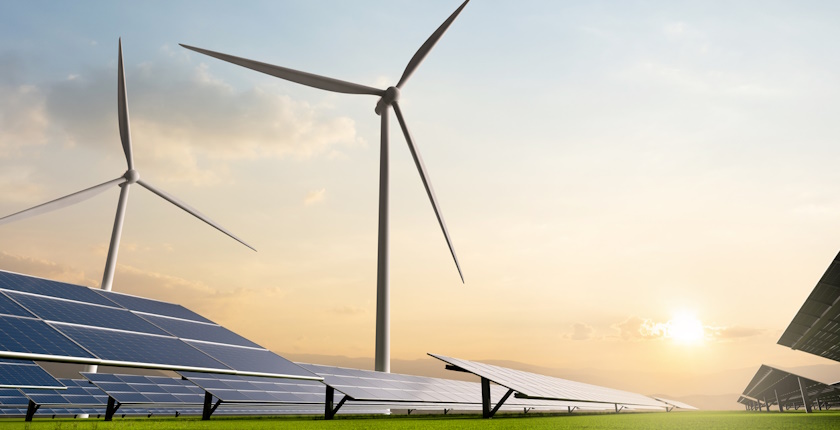
The government has vowed to take steps to increase investments in solar, wind and hydropower, introduce a carbon pricing system in line with the European Union’s standards, develop energy storage and modern energy infrastructure, and gradually abandon coal as an energy source.
In parallel, energy security would be strengthened through diversification of sources, regional cooperation and new interconnections, as well as further liberalization and integration of the electricity market.
The plan is the result of a broad and transparent process involving institutions, experts, academia, the private sector and international partners, the note reads. It incorporates the recommendations of the Energy Community Secretariat, as well as the latest European policies.
A strategic environmental impact assessment has been conducted for the document. It analyzes the effects on air, water, soil, biodiversity, climate change and the health of citizens. The report has been accepted by the competent institutions, after public hearings and consultations, including with neighboring countries.