


The Greek Ministry of Environment and Energy issued the spatial plan for renewable energy for public consultation, after a delay of one decade.
According to the ministry, further growth of renewable energy in the country will have to occur under specific rules, planning and a balance. “A realistic energy transition is based on cohesion, taking into account both nature and human activities. The plan will ensure the rational development of renewable energy projects, environmental protection and the fair distribution of benefits,” it noted in its announcement of the spatial plan.
New requirements for solar energy
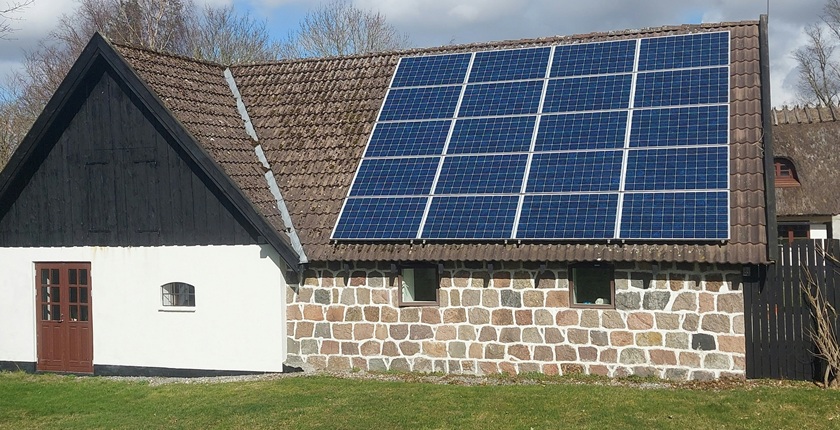
When it comes to photovoltaics, the proposed spatial plan prohibits the development of new plants in areas of the Natura 2000 network; forests, wetlands, national natural reserves and natural monuments; at cultural monuments and some archeological zones, and on coasts available for swimming.
The maximum coverage of new solar farms isn’t allowed to exceed 1.5% per periphery (province). Minimum distances are set for visual perception, especially in areas with cultural value.
Wind farms restricted under new spatial plan
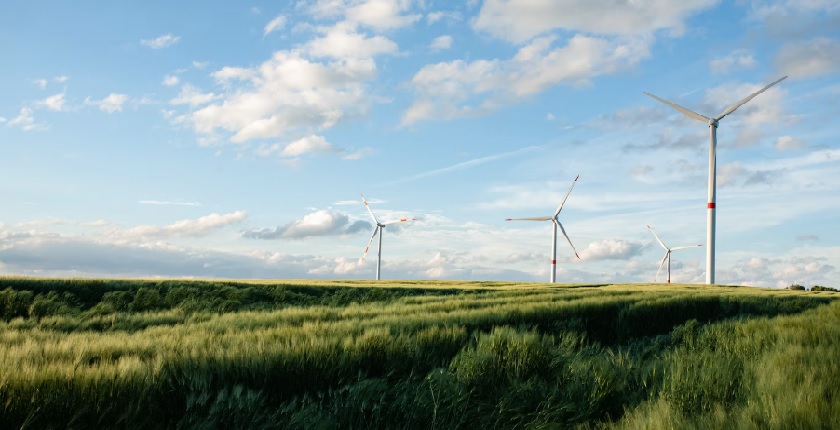
The plan would also enforce much stricter rules for wind farms. They would be prohibited in Attica and the region of Thessaloniki, in areas with an altitude of over 1,200 meters, in wetlands, islands smaller than 300 square kilometers and places with intensive tourism. Also, they wouldn’t be allowed at coasts available for swimming and in national natural reserves.
New projects would be allowed in so-called suitable areas, with a wind speed above 4.5 meters per second. In islands, wind farms wouldn’t be able to cover more than 4% of acreage per municipality.
In the case of Natura 2000 regions, wind farms are allowed only exceptionally, if wind is faster than 7.5 meters per second and it is specified in the environmental study.
Exemptions for small projects
The ministry pointed out that these rules wouldn’t apply for units already in operation, those that have completed their environmental licensing and solar rooftops.
Papastavrou: We want renewables, but in a more organized way
They are also not applicable in projects exempted from acquiring a producer’s license, except solar farms. This means that biomass or biogas projects, geothermal plants and battery storage of under 1 MW in capacity would be allowed, alongside small wind turbines of less than 60 kW.
“We want renewable energy, but in a more organized, specific and tidy way,” said Minister of Environment and Energy Stavros Papastavrou.
The new spatial plan is now open to public consultation for 35 days for citizens, municipalities, scientific bodies and businesses to contribute with their opinions.