






Photo: Engin akyurt on Unsplash


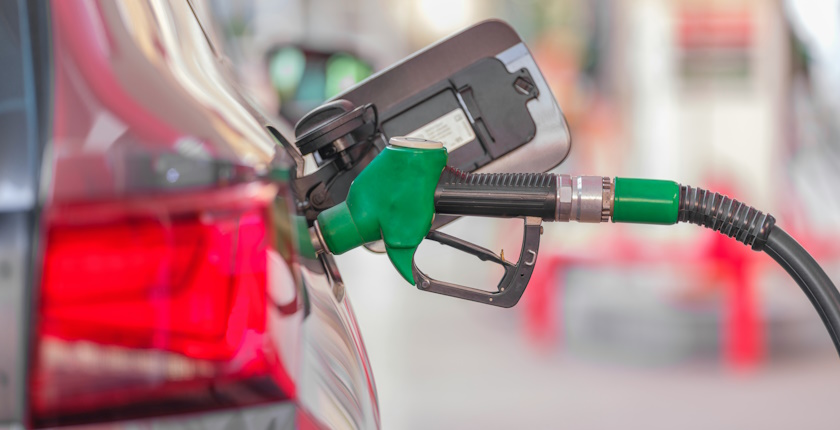
In light of the blockade of the Hormuz passage and the collapse of oil production in the Middle East amid the Iran war, several Balkan countries have moved to ease the jump in fuel prices. Crude is back near levels from before the latest historic spike, but it is a third more expensive than before the United States and Israel’s current bombing campaign.
Governments in Southeastern Europe have begun to conduct measures that they hope would contain a fuel price rally as well as potential smuggling. Notably, Brent oil for delivery in May went for USD 89.5 per barrel in afternoon trade today, or 4.1% down from before the escalation over the weekend.
Oil prices started the previous session almost a third higher – on a daily basis! – and tested record highs. They dwindled into the red before closing time, in a historic market roller coaster, as traders heard from US President Donald Trump that the war against Iran was almost over. Nevertheless, the North Sea benchmark contract is changing hands at more than 20% above the level from before the beginning of the bombing campaign.
Serbia banned oil and fuel exports until a reassessment, scheduled for March 19. President Aleksandar Vučić suggested last week that the government could lower the excise tax on fuel. He said the authorities would write proposals for support for citizens and businesses and how to rein in inflation.
Albanian regulators started a week ago to monitor wholesale and retail fuel markets, especially the gasoline and diesel prices at the pump. So did Kosovo*, which capped fuel sales margins.
Buyers of premium fuels in Croatia get no subsidies
Croatia is limiting retail prices, aiming to ease the pressure on households and companies and prevent energy and price shocks. The measures include cutting margins for oil product traders and levies for diesel fuel. The authorities exempted high-octane gasoline and other premium fuels from the intervention.
Customers also have support in the segment of liquefied petroleum gas (LPG) and bottled gas at service stations. The government is reviewing the measures after two weeks.
Greece thinking out of box
Greece is about to address the windfall profits issue. Minister of Environment and Energy Stavros Papastavrou hinted that some of the new measures would surpass the ones from the support frameworks of the previous several years.
Minister of Energy of Romania Bogdan Ivan said the government was willing to cut fuel taxes temporarily. He pointed out that they make up almost 70% of the final prices.
Hungary introduced a fuel price freeze for residents and ordered a release of strategic fuel reserves.

Be the first one to comment on this article.