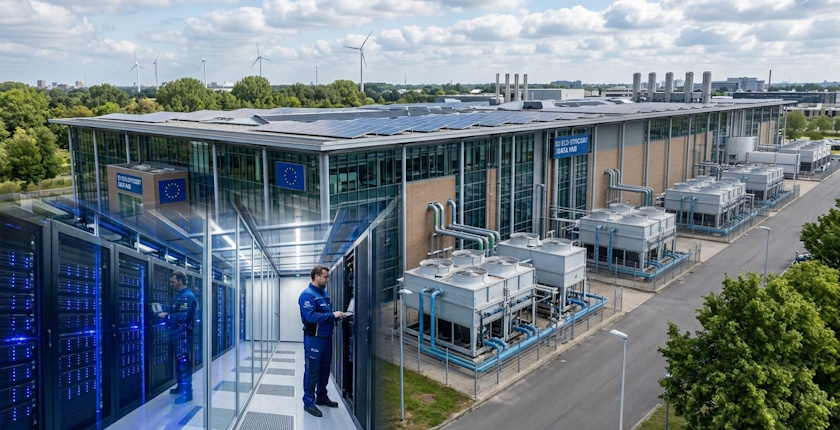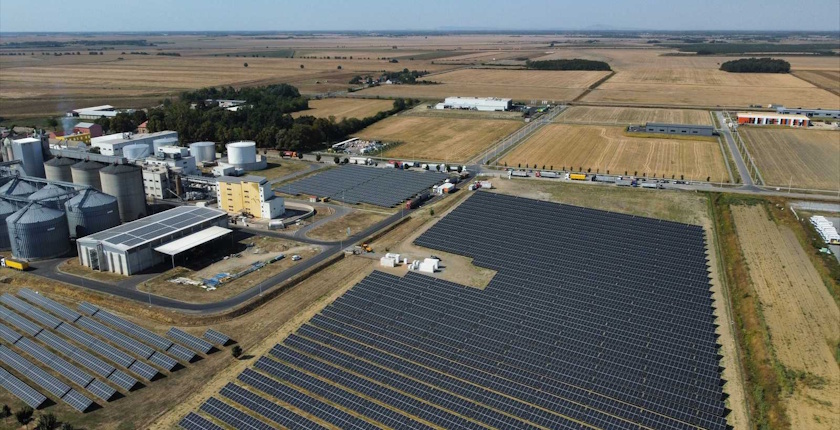



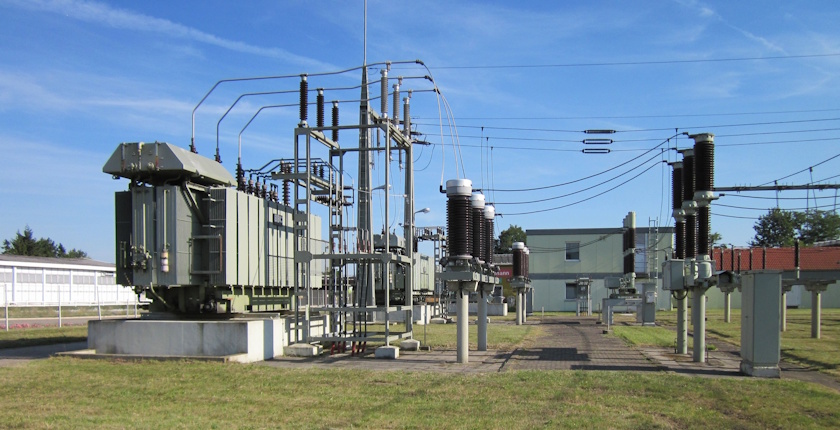
The Energy Community’s new report identifies reforms needed to modernize transmission and distribution tariffs to support larger, more integrated electricity markets and the energy transition.
The Energy Community Regulatory Board (ECRB) has released its 2025 Best Practice Report on electricity network tariff methodologies, reviewing developments across contracting parties since 2022 and identifying priorities for further reforms.
Well-designed electricity network tariff methodologies play a key role in determining how the costs of operating and expanding electricity grids are recovered and shared fairly to encourage investment in infrastructure, support efficient electricity flows, and enable the integration of emerging technologies central to a decarbonized electricity grid, according to the Energy Community Secretariat.
Based on the latest 2025 ACER’s report on network tariff practices in Europe, ECRB analyzed additional aspects of network tariff regulations in contracting parties.
The contracting parties are using three types of the transmission connection charges
The report examines the treatment of transmission and distribution investments in tariff revenue and recognition of different types of users, including storage, citizen energy communities and renewable energy communities.
The contracting parties are using three types of transmission connection charges: shallow, deep, and mixed (so-called “shallowish”). They are based on the level of coverage of the connection costs.

The secretariat stressed that regional progress is encouraging, with almost all contracting parties having updated their transmission and distribution tariff frameworks since 2022.
Incentive-based regulation remains the dominant approach across the region, with most national regulatory authorities linking network tariffs to efficiency and performance targets for grid operators, the secretariat added.
The ECRB provides recommendations for further development of the regulatory framework for transmission and distribution tariffs in the contracting parties.
They are defined with a view to gradually accommodating current practices to the requirements of the Clean Energy Package/the Electricity Integration Package, and electricity market realities, according to the report.