







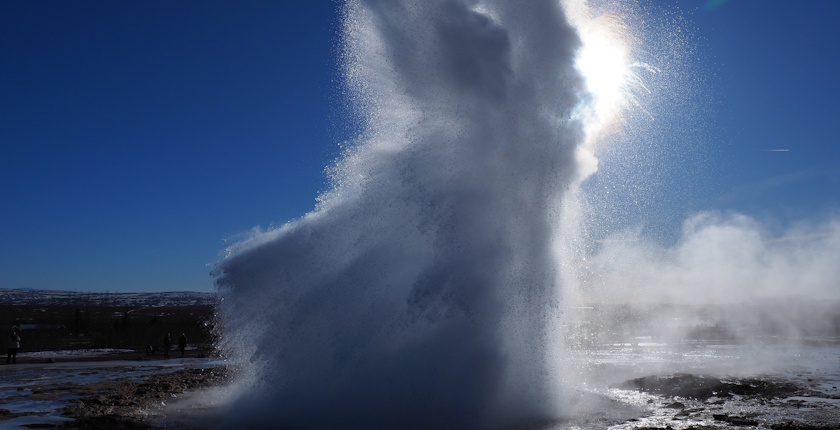
Photo: Hans from Pixabay


The City of Bijeljina has launched a three-year plan for the use of geothermal energy. The goal is to reduce pollution caused by coal power plant Ugljevik, according to the local authority.
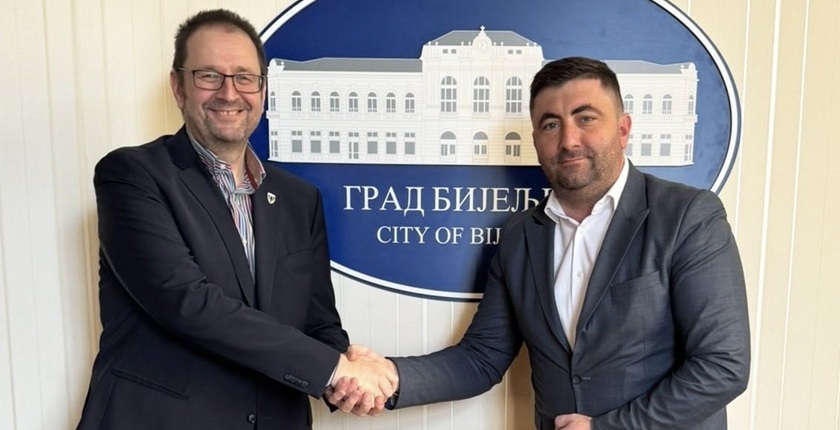
As part of activities for the energy optimization and transformation of Bijeljina, Mayor Ljubiša Petrović signed contracts for the development of a scientific study on the geothermal potential of Bijeljina and options for multi-purpose use, especially in district heating.
The collaboration agreements were signed with Dejan Milenić and Ana Vranješ, professors at the Faculty of Mining and Geology (RGF) of the University of Belgrade. Milenić is the president of the Serbian Geothermal Association, and Vranješ is the head of the center for renewable water energy resources at RGF.
The professors will also provide consulting services to the city
In addition to the work on the study, the professors will provide consulting services for the needs of the city from 2026 to 2028.
These services relate to sustainable development, the utilization of renewable energy sources, primarily geothermal energy, the exploration and exploitation of geothermal energy in agreed research areas, analysis of selected locations for the use of geothermal waters, defining a unique research methodology, creation of timelines for work and activities, preparation of project tasks, and organizing geothermal tenders.
The signing of the contract represents the first step on the path to a healthier environment and the beginning of a project that will be of immense importance for Semberija, the city underscored.
Petrović: We are witnesses to the massive pollution generated by the thermal power plant in Ugljevik
“We are witnesses to the massive pollution generated by the thermal power plant in Ugljevik. Relevant expert institutions confirmed that it is one of the largest polluters in Europe. A geothermal heating plant would practically eliminate pollution in the city territory,” Petrović explained.
Ugljevik is located 25 kilometers from Bijeljina. It is operated by Elektroprivreda Republike Srpske (ERS).
Professor Milenić welcomed the city’s readiness to properly utilize Semberija’s natural geothermal wealth. He stressed that the project involves strategic and long-term development.
He explained that the three-year action plan envisions the completion of the scientific study on geothermal potential by the end of the year, and defining the most promising zones for further exploration.
The preparation of project-technical documentation with accompanying techno-economic analyses and studies for the construction of the first deep geothermal well is scheduled for next year.
The first and only local community in the Republic of Srpska that will have a geothermal heating plant

A tender to select a contractor and drill the first deep exploratory well within the city territory is planned for 2028, Milenić underscored.
He said that it is very important for this well to be located within the inner city area to avoid unnecessary costs for the later, potential delivery of geothermal energy to the city. This concept will allow for an easy connection to the already existing district heating network, the professor added.
The beginning of a joint mission to improve Bijeljina’s air quality
Thanks to this project, Bijeljina will be the first and only local community in the Republic of Srpska to have a geothermal heating plant, according to Milenić.
“The signing of the agreements is the beginning of a joint mission to improve the quality of Bijeljina’s currently polluted air in the coming years. Also to try to partially or completely diversify the heating away from fossil fuels, and to switch Bijeljina heating plant to geothermal energy,” Milenić pointed out.
He stressed that the Faculty of Mining and Geology and the University of Belgrade are among the leading institutions in Southeast Europe in the field of scientific geothermal research and analysis.
In Bosnia and Herzegovina, made of two entities – the Republic of Srpska and the Federation of BiH, Sarajevo also intends to utilize geothermal energy. Regionally, Croatia and Romania already have more mature projects in development.


Be the first one to comment on this article.