







Photo: iStock


The US and Israeli bombing campaign and Iran’s retaliatory strikes around the Persian Gulf could heavily disrupt the water supply, alongside irreversible environmental disasters. Desalination plants in Iran, Bahrain, the United Arab Emirates and Kuwait have been targeted, stoking fears that large areas could become uninhabitable.
While the Persian Gulf is mostly known for oil and gas production and the wealth that it generates, the countries of the region are facing increasing challenges in water supply. The war that started ten days ago is dramatically heightening the risks. As the United States and Israel are intensively bombing Iran, it is hitting back throughout the area, endangering civilian infrastructure.
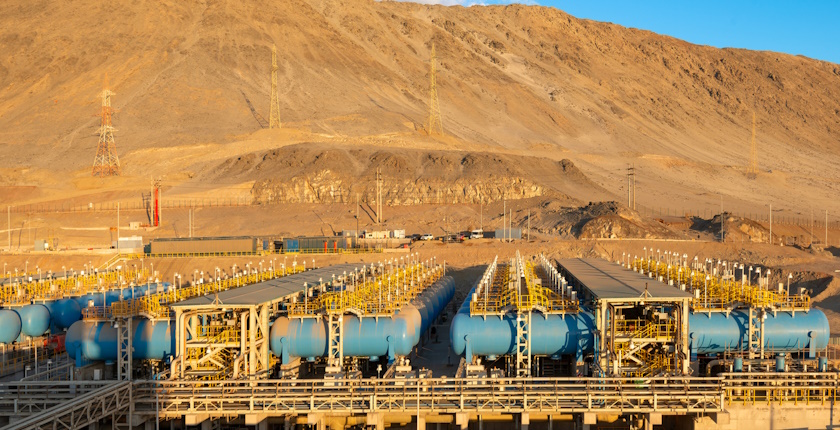
Desalination plants are one of the most fragile segments. More than 400 such facilities in the region produce drinking water. Member countries of the Gulf Cooperation Council (GCC) make up three fifths of global capacity for desalinated water.
The UAE and Kuwait depend roughly 90% on desalination for their drinking water supply, compared to 86% in Oman and 70% in Saudi Arabia. The US has long warned of the strategic significance of the facilities and potential impacts if they were critically damaged.
Effect on Tehran’s water crisis from attack on oil facilities
Iran leans only marginally on desalination. At the same time, its capital Tehran is suffering from several years of drought and lack of investment in water supply. Reservoirs have reached a historic low, at some 10%. It recently prompted a warning from President Masoud Pezeshkian that the city of nine million, or 15 million in the metropolitan area, may need to be moved.
Oil depots and a major refinery in Tehran have been bombed for the past few days. It resulted in toxic rain in the area, as oil and fuel droplets and hazardous substances created from incineration have mixed with water vapor. Sulfur dioxide and nitrogen oxides turned into sulfuric and nitric acid, respectively. The incident may cause far-reaching consequences.
Iran accused the US of bombing a desalination plant
In addition, Minister of Foreign Affairs of Iran Abbas Araghchi accused the United States of bombing a desalination plant on Qeshm island in the Strait of Hormuz. He said it affected 30 villages.
“The US set this precedent, not Iran,” he stressed. The US denied responsibility, and so did Israel. For its part, the UAE rejected the reports of Israeli media of its involvement.
Desalination plants in jeopardy
Following the bombing of Qeshm, Bahrain claimed that Iran attacked civilian targets on its territory with drones and damaged a desalination facility. Apparently, it didn’t disrupt supply.
According to reports, the Fujairah F1 power and water plant in the UAE and the Doha West desalination plant in Qatar have also been damaged. Singapore-based Sembcorp Industries, which owns 40% of Fujairah F1, denied there was any damage.
Importantly, desalination facilities depend on transmission lines and electricity, while the power plants supplying them are exposed to fuel delivery disruptions.
Extensive damage to water supply systems could trigger an urgent mass exodus from large areas and a cascading effect on the economy and the conflict in the region and beyond.




Be the first one to comment on this article.