






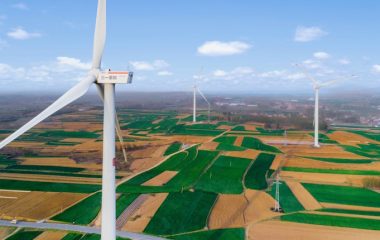
Photo: MVM


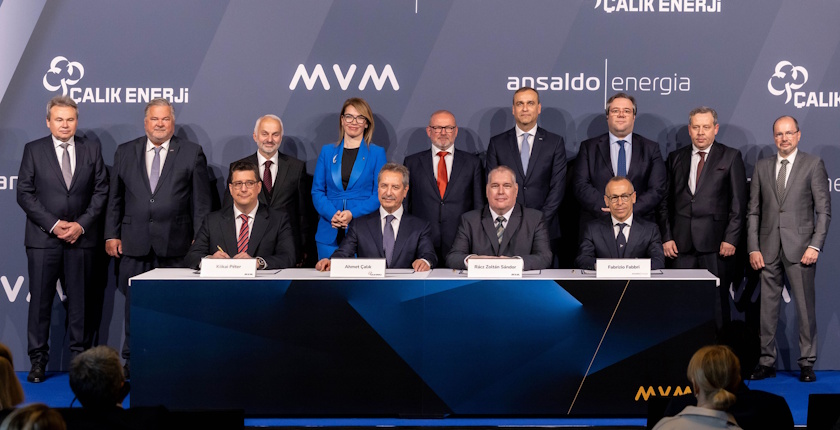
Hungarian power utility MVM signed an agreement with a consortium of Turkey-based conglomerate Çalık Holding and Italian company Ansaldo Energia, which are tasked with building a 1,000 MW combined cycle gas turbine power plant at the Tiszaújváros site in northeast Hungary.
It is the second time this year that MVM contracted the construction of gas-fueled and hydrogen-ready facilities at sites of former power plants running on fossil fuels. Two months ago, the company signed a deal with domestic firms Status KPRIA and West Hungária Bau, and Egypt-based Elsewedy Electric for a 650 MW power combined cycle gas turbine (CCGT) at the Mátra Power Plant.
Now the contract for the development of a modern CCGT power plant was signed by MVM Tisza Power Plant Ltd. of the MVM Group, Çalık Holding, the consortium lead, and Ansaldo Energia.
The agreement marks the beginning of turnkey execution planning, procurement, and construction of what is expected to be Hungary’s most efficient large-scale power plant, the companies said.
Lantos: No new baseload power plant has been built in Hungary in more than 15 years.
The power plant is expected to supply an average of 7,500 GWh of electricity annually. It will also be prepared to use hydrogen.
The two-member consortium was awarded the construction and long-term maintenance of the gas turbines at the public procurement tender.
After the signing, Hungarian Minister of Energy Csaba Lantos lauded the deal as historic, noting that no new baseload power plant has been built in Hungary in more than 15 years.
“The new facility will play an important role in balancing renewable electricity production, thereby supporting the successful energy transition,” he added.
Mátrai: A modern, flexible generation capacity
Károly Mátrai, MVM Group CEO, said a modern, flexible generation capacity would replace the previously decommissioned traditional power plant. Of note, it was a gas power plant.
The facility to be built at the Tiszaújváros site will leverage existing electricity grid connections, a cooling water system, and access to natural gas at a nearby point, Mátrai underscored.
According to Fabrizio Fabbri, Ansaldo Energia CEO, the MVM Tisza power plant will be the country’s most efficient, ready to meet Hungary’s growth and increasing energy needs. He said his company would bring its most advanced gas turbine technology, suitable for hydrogen use.
Ahmet Çalik, President of Calik Enerji Swiss, said the company is honored to contribute to Hungary’s energy supply and enhance its energy security.

Be the first one to comment on this article.