






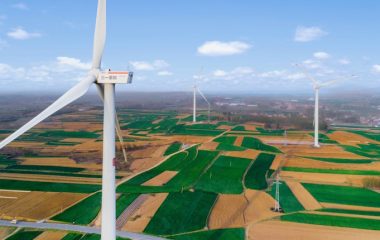
Photo: Franco from pixabay


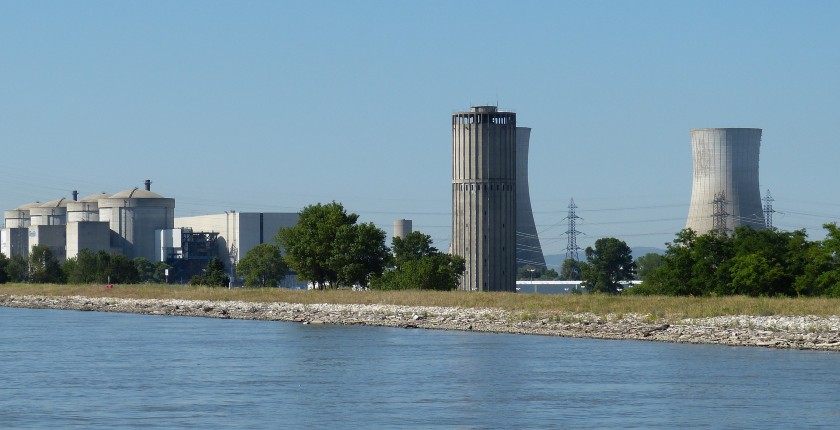
France has been leaning for decades on nuclear energy. In regular conditions, the reactors account for 70% of domestic electricity production, with huge exports. However, breakdowns and extreme weather conditions turned France into a net power importer last year.
French President Emmanuel Macron has met with his nuclear policy council CPN to discuss the revival of the country’s nuclear power industry. The conclusions will enable the implementation of a multiannual energy program, set to be presented in June.
This year has a key significance for energy in France as a law covering the share of each source – especially nuclear power plants – is planned to be introduced to reduce fossil fuel use as well as to cut carbon emissions to zero by 2050.
“Only renewables or only nuclear power, that doesn’t work,” Macron said in September.
Corrosion and cracks in nuclear reactors earlier prompted the shutdown of 32 reactors
Nuclear power output reached a historic low last year in France. Corrosion in pipes and the cracks that were found in the reactors took a half of them offline. Eleven are still out of order. In addition, the struggling state-owned energy giant Électricité de France (EDF) was forced in the summer to cut production in several nuclear power plants as the water temperature in the Rhône and Garonne was too high to cool the reactors sufficiently.
New nuclear deal
France currently hosts 56 nuclear reactors, which are 37 years old on average. The government intends to extend their operating life, initially projected at 40 years, as much as possible. The Élysée Palace and CPN said studies are underway to make it possible.
“It will be done in ten-year stages. We are going to work on the stage which will allow us to go first from 50 to 60 years, then beyond 60 years, which implies special work on the parts which can not be replaced in a power plant,” Minister for Energy Transition Agnès Pannier-Runacher explained.
The nuclear revival push includes plans for six more reactors
The plan is to build six more nuclear reactors as well, with the first envisaged to come online by 2035. The announcement adds that they would enable France to regain control over its energy future, and strengthen its security of supply as well as sovereignty.
The government also intends to launch a pilot project for a small advanced reactor, which should be built by 2030. France is developing the technology both for small nuclear reactors (SMRs) and advanced modular reactors (AMRs).
The initiative to increase capacity implies a comprehensive analysis of the fuel cycle including nuclear waste management, the statement reads.

Be the first one to comment on this article.