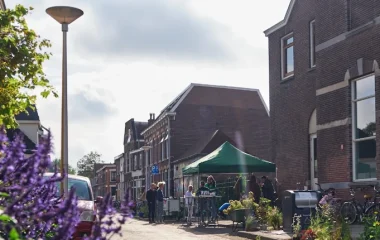







The Municipality of Žabalj awarded a public–private partnership (PPP) for the reconstruction of the street lighting system in four settlements to a group of companies led by ENEF energetska efikasnost d.o.o. from Novi Sad.
Participants in the project in the area in Serbia’s north are Elios SRB d.o.o. from Novi Sad, U Light Kft from Budapest, Hungary, and Energotehnika južna Bačka d.o.o., also from nearby Novi Sad, the seat of the country’s Vojvodina province.
“When regulations become stricter, including technical demands, responsible and capable companies actually achieve better results. The municipality set the process at a high level, and we use equipment made only by the best producers, like Philips, Schréder and GE,” said Miran Buda Höning, ENEF’s head of operations. He told Balkan Green Energy News this is the firm’s first bigger deal in Serbia and that it is preparing to apply for five more public–private partnerships soon, most probably with consortiums. ENEF has about 120 projects in the portfolio, with 150,000 installed lights, developed operations in Slovakia and Hungary and work in other segments in Bulgaria and Romania, he added and stressed the company wants to expand in former Yugoslavia.
There were offers from three other consortiums, where two were rejected as inadequate, the documentation said. Other participants have ten days to file a complaint. The procurement, without elements of a concession, is for measures aimed at efficient use of energy, a corresponding reduction in carbon dioxide emissions and a cut of operational costs, according to the documentation.