







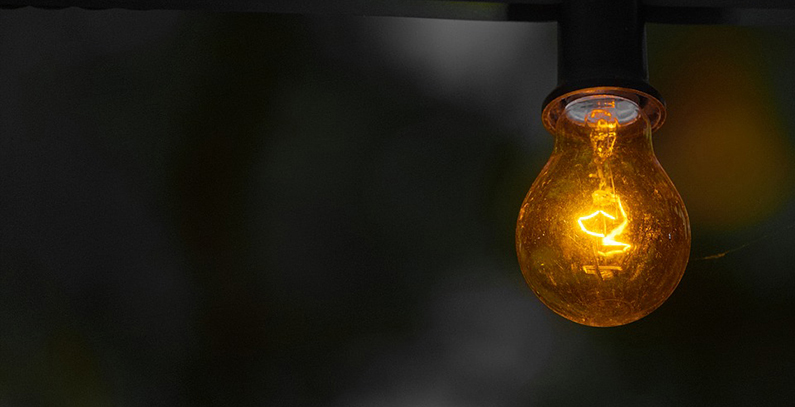
Photo: Pixabay


From mid-2020, the use of incandescent light bulbs will no longer be possible in Serbia as a result of new rules that will ban the use of some energy-inefficient products, according to participants in a panel on energy efficiency and proper use of electricity, the daily Blic has reported.
An incandescent bulbs consumes five times more energy than a neon lamp, and even 10 times more than a LED bulb, so this decision will have a significant impact on energy efficiency, said Miloš Banjac, assistant energy and mining minister in charge of renewable energy sources and energy efficiency.
The new rules will be focused primarily on curbing imports of energy-inefficient products, Banjac said.
On July 1, 2018, Montenegro launched a phase-out of incandescent bulbs, which will be completed on July 1, 2020.
Banjac also announced that a state fund for energy efficiency, which will be intended for citizens, could be launched by the beginning of next year.
The fund will approve soft loans and grants to citizens for the implementation of energy efficiency measures.
The model to be applied for building renovation will be a combination of credit lines from banks and grants from the fund, and for the purchase of energy efficient products, citizens will get vouchers, according to him.
Radovan Stanić, head of electricity supply at state power utility Elektroprivreda Srbije (EPS), said that citizens can reduce their electricity bills by 10% to 15% by changing the way they use electricity and by using more energy-efficient devices.
Stanić noted that from July citizens will start receiving electricity bills that will include a new energy efficiency fee.
It will be charged RSD 0.015 (EUR 0.000127) per kWh, which means that for an average monthly consumption of 400 kWh, the total fee amount will be RSD 6, Stanić said.
Jelena Vukanović, an energy efficiency expert at the Ministry of Construction, Transportation and Infrastructure, said that the ministry is drafting a strategy for energy efficiency in the building sector, which will include instructions for building renovation.
This document should be presented to the public in six months to a year, she said.
Be the first one to comment on this article.