

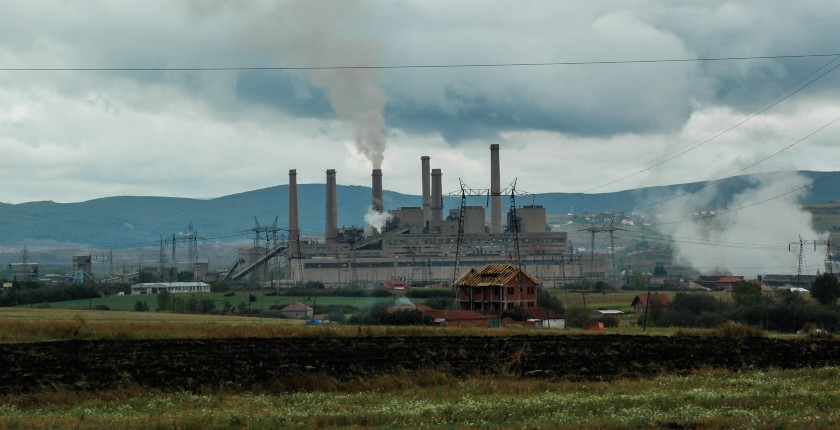
Coal-fired thermal power plants Pljevlja in Montenegro and Kosovo A broke down, adding to concerns about the possibility of blackouts in the region in the winter.
Electric power systems in the Western Balkans are strained by the lack of coal and this year’s severe drought, which almost depleted hydropower reservoirs. But the series of outages at old coal plants are the biggest risk factor – malfunctions at Pljevlja in Montenegro and Kosovo A have just taken the two facilities offline.
Fires and breakdowns caused blackouts last winter in Serbia and Kosovo* and even impacted the stability of the pan-European transmission network. A significant share of households and companies use inefficient air conditioners and other electric devices for heating, which means power consumption will spike as cold weather sets in.
Coal plants in North Macedonia, Serbia, Montenegro and Kosovo* have proven to be unreliable. The troubles are getting worse as importing electricity is expensive. It is unclear whether state-owned utilities will be able to afford emergency imports in case of sudden shortfalls in domestic output or if there will be any electricity to buy from abroad.
Usual malfunction in Pljevlja
Two nights ago, people living in the town of Pljevlja were woken up by what they said was a loud noise. According to the media, it is the regular sound of the facility shutting down or coming back online.
Officially, government-controlled coal and power utility Elektroprivreda Crne Gore (EPCG) said that what happened was a pipe leak, “a usual malfunction,” and that the coal plant would be repaired by tomorrow morning.
KEK identifying source of crash
The explanation issued by Kosovo Energy Corp. (KEK) for the shutdown of the A3 unit in Kosovo A was even more perplexing. The utility said it is working with transmission system operator KOSTT to “identify the source” of the defect.
The company claimed it secured emergency deliveries to cover the shortage. A3 got back online last week after a recent crash. Rolling blackouts are becoming more frequent in Kosovo*, not least because distribution system operator KEDS lacks funds to purchase electricity elsewhere.
* This designation is without prejudice to positions on status and is in line with UNSCR 1244/99 and the ICJ Opinion on the Kosovo declaration of independence.
Comments (1)
Austen
The statement “inefficient air conditioners” needs qualifying: these are air source heat pumps and therefore very energy efficient compared to electric radiators and similar to gas. To me the statement is a mistake