


Turkey plans to lower its primary energy consumption by 14% and annual carbon dioxide emissions by 66 million tons, Deputy Minister of Energy and Natural Resources Alparslan Bayraktar said and revealed nearly USD 11 billion would be invested in energy efficiency by 2023.
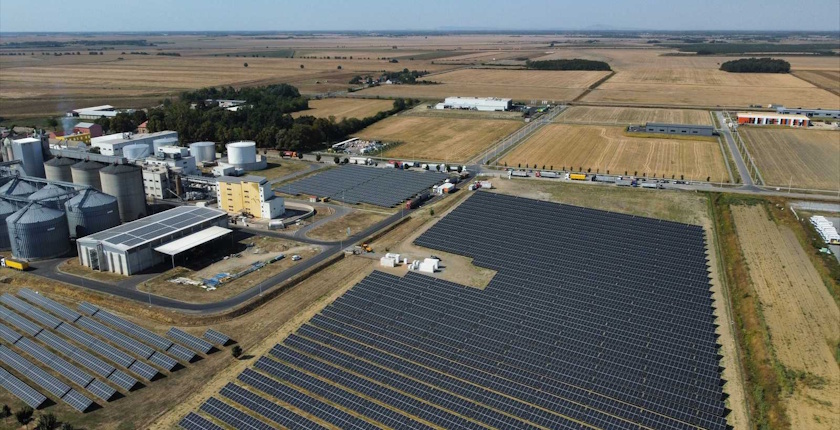
The capacity of wind power plants in Turkey reached 9 GW compared to 7 GW in photovoltaics, Deputy Minister of Energy and Natural Resources Alparslan Bayraktar said at video conference Global Energy Transition and Turkey’s Energy Roadmap. In his words, the average rate of increase in renewables was 11% in the past ten years and the country plans to add 1 GW of both wind and solar every year in the next decade.
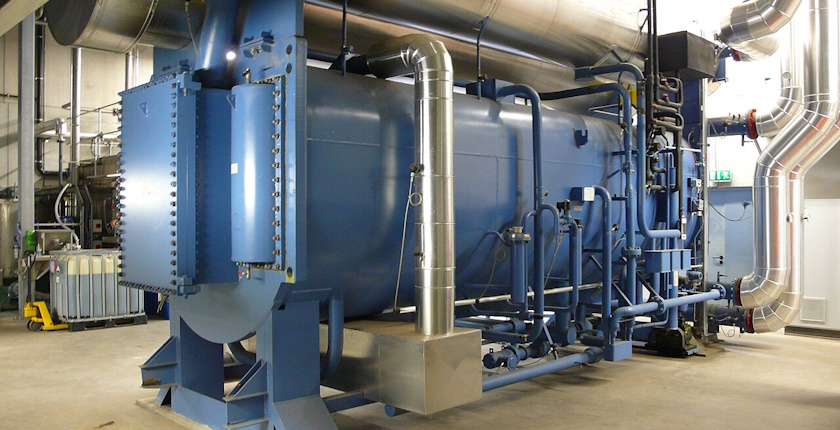
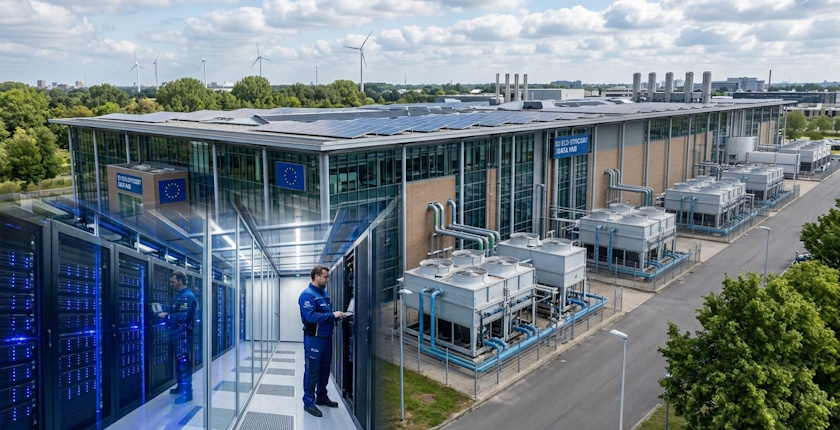
“We also have a very ambitious energy efficiency program. It includes different sectors: energy, industry, agriculture, transportation, cross-cutting sectors, buildings…” he stressed and added the government plans to invest almost USD 11 billion in the segment. In the deputy minister’s words, it would lower primary energy consumption by 14% and cut annual carbon dioxide emissions by 66 million tons.
The event was organized just ahead of today’s World Energy Efficiency Day.
https://youtu.be/_28fspag68k
Urgent action needed for decarbonization
The COVID-19 outbreak affected the energy sector amid a global economic crisis, Bayraktar stated. “The decline in energy investment eventually brings real risk to energy security and sustainability… To prioritize transformation of the global energy sector from fossil-based to zero carbon by the second half of this century and to reduce energy-related CO2 emissions, which we call decarbonization of the energy sector, requires urgent action on a massive scale,” he asserted.
The decline in energy investment eventually brings real risk to energy security and sustainability
The expansion of renewables is an essential part of Turkey’s energy transition, Bayraktar said and added the country ranks sixth in Europe and thirteenth in the world in the capacity of green electricity. However, he also highlighted the need to secure gas for the industry and households and also for power generation.
Role of gas
Natural gas is also crucial for Turkish energy markets, as well as the economy in general, according to the deputy minister. He pointed to the discovery of the Sakarya gas field, containing 400 billion cubic meters of the fuel, saying it would reduce the import bill and the current account deficit.
Bayraktar noted the share of liquefied natural gas (LNG) rose from 22%, registered in 2018, to 31% last year.