



The deadline for European Union (EU) member states to apply the Directive on single-use plastics, July 3 this year, has passed, but only a handful of them have done enough to comply with the regulation aimed at reducing plastic waste across the bloc.
According to reports, just eight of the 27 member states have adopted measures to transpose the Directive on single-use plastics into national law, and even these countries have not fully complied with the EU regulation, which came into force in 2019.
The Directive seeks to rid the bloc of single-use plastic products such as straws, beverage cups, cutlery, bags, and polystyrene food containers, which the European Commission says make up 70% of all marine litter in the bloc.
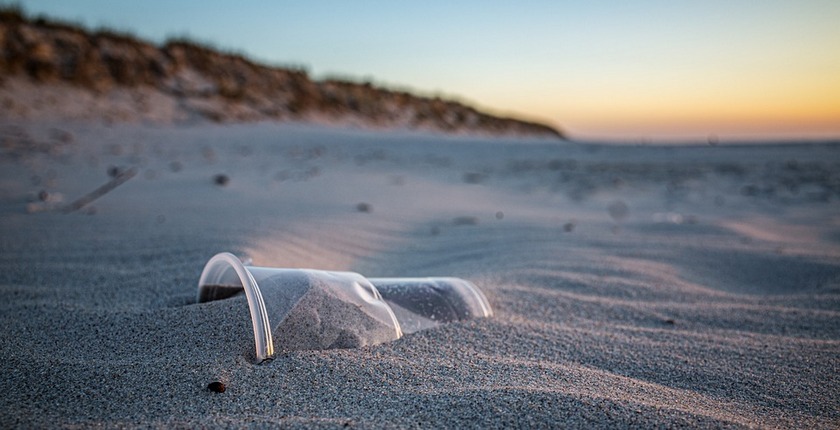
Photo: Pixabay/Hamsterfreund
PET bottles will remain in use, with measures aimed at reducing their consumption
However, for other single-use plastic products, PET beverage bottles, the EU will focus on limiting their use through policies such as awareness-raising measures, labeling requirements to inform consumers about the plastic content of products, and waste management and clean-up obligations for producers.
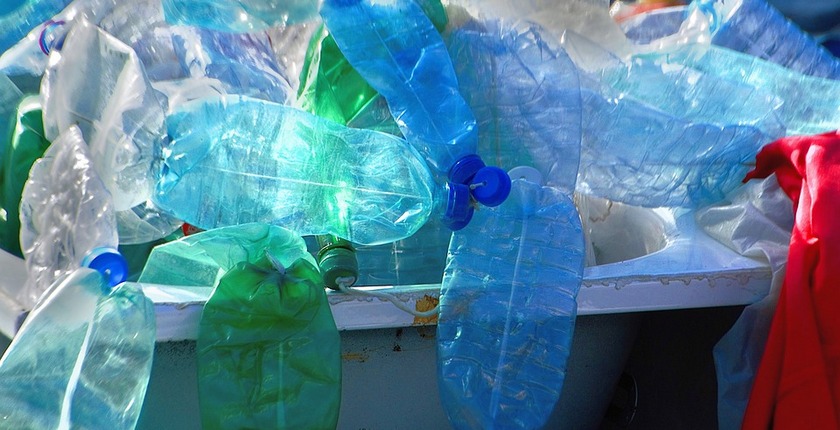
Photo: Pixabay/VIVIANE6276
Germany’s ban on some single-use plastic products came into force on July 3
Germany is one of the countries that have banned some single-use plastic products, through regulations that came into force on July 3, while France, Greece, and Ireland are among those that have gone even further, by expanding the EU’s list of banned plastic products or introducing additional measures to curb single-use plastics.
Some EU members, including Bulgaria and Romania, have “barely begun the transposition process.”
According to a report by the Rethink Plastic alliance, the top performers are France, Greece, Ireland, Sweden, Estonia, and Malta. On the other hand, five EU member states, including Bulgaria and Romania, “have barely begun the transposition process or have been delaying it,” Rethink Plastic says.
In Croatia, the EU’s Directive should take effect simultaneously with a waste management law
Croatia and Slovenia are described as countries that “have only partially transposed the measures of the Directive, and for which the level of ambition remains average.”
In Croatia, the EU’s Directive is expected to be applied once the country’s new waste management law comes into force. The law is in the final stages of the adoption process, according to local media, which cited the Croatian Ministry of Economy and Sustainable Development.