


Serbia has committed to increasing the share of renewables in its energy mix to over 45% by the end of 2030 under a EUR 100 million loan agreement for state power utility Elektroprivreda Srbije (EPS). The green loan, provided by Italian development bank Cassa Depositi e Prestiti, is aimed at helping EPS decarbonize and increase electricity production from renewable sources.
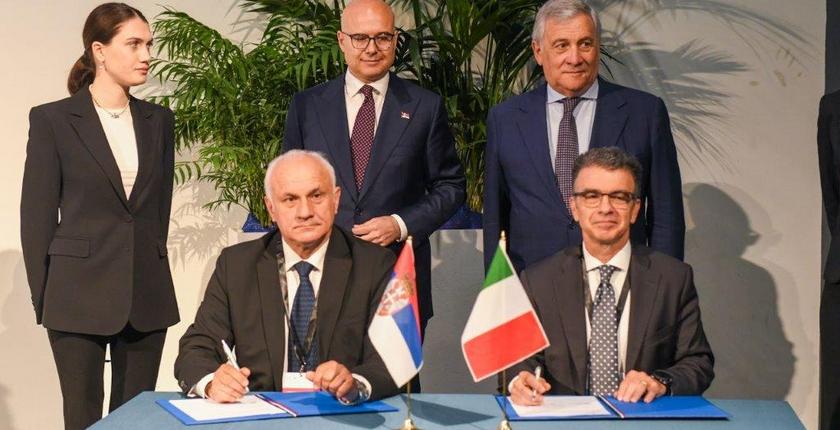
Under the loan agreement, signed on May 24, Serbia is to adopt a National Energy and Climate Plan (NECP) by September 30 which will include a target of over 45% of renewables in the country’s electricity generation mix for December 31, 2030, according to the bill to ratify the loan guarantee agreement.
Serbia should also announce its commitment to phase out coal by 2050
The state of Serbia, as the guarantor of the loan, will also be required to announce its commitment to phase out coal by the end of 2050 and work on establishing thermal power plant decommissioning milestones by the end of 2030. It must be reflected in new or updated versions of national strategic documents.
The obligations under the agreement also include issuing a three-year renewable energy auction plan and adopting a regulatory framework for renewable energy auctions in line with the European Commission’s Clean Energy Package and best European practice.
Serbia has already fulfilled some of the requirements from the agreement
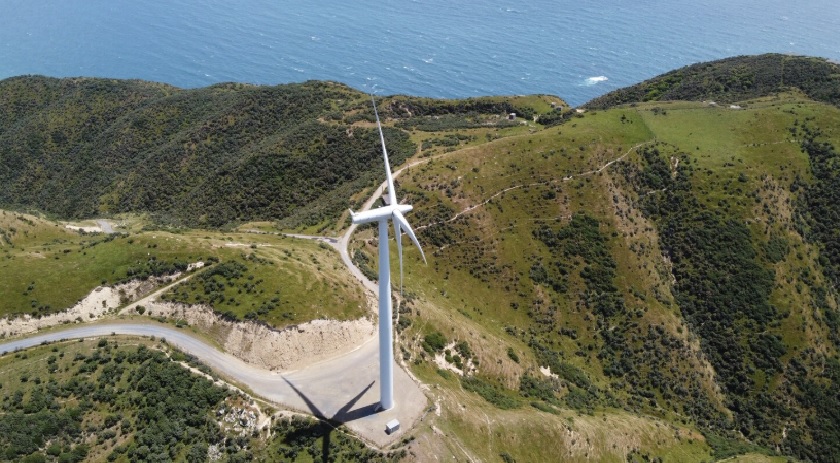
The agreement also requires that Serbia’s first renewable energy auction be launched for not less than 400 MW of wind power capacity, in cooperation with the European Bank for Reconstruction and Development (ERBD) as the government’s adviser on the auction process. However, it should be noted that Serbia already held such bidding last summer.
Serbia is also required to support any legal and regulatory changes needed to facilitate the development of the intraday electricity market and for electricity market coupling in order to increase market liquidity and competitiveness. Again, Serbia has already launched an intraday trading platform on its SEEPEX power exchange.
The agreement also calls on Serbia to improve energy efficiency
The agreement also envisages the state’s support to the decarbonization of the Serbian economy by improving energy efficiency, promoting the efficient use of energy sources, and developing support schemes for energy efficiency investments at a higher scale with a specific focus on building renovation.