

Deutsche Gesellschaft für Internationale Zusammenarbeit (GIZ) and Associations of Municipalities (AoMs) from Montenegro, Bosnia and Herzegovina, Serbia, Kosovo* and Macedonia (FYR) are currently in the process of developing a Lobbying and Advocacy Strategy on Energy Efficiency in South-East Europe.
Once completed, the strategy will be at the disposal of all AoMs in the region and should help them effectively address their national governments with the aim of improving conditions for development of energy efficiency and sustainable energy management systems in municipalities. It is expected that the strategy will be finalized and put to use end of April this year.
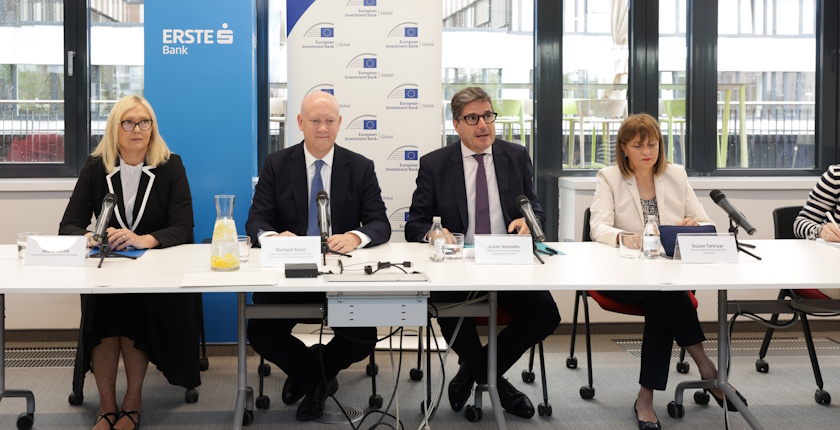
Complementary to the strategy development, from March 21 to 23, a study trip to Serbia was organized bringing together partner AoMs and GIZ representatives. The overall focus of the visit was on regional knowledge and best practice exchange aimed at strengthening of the energy efficiency sector of South-East Europe. The gathering presented an opportunity to discuss lobbying and advocacy practices of the Standing Conference of Towns and Municipalities (SKGO) of Serbia, which has established an elaborate and successful strategic approach to lobbying and advocacy in the energy efficiency sector. Representatives of SKGO presented their lobbying activities and strategic planning processes demonstrating how effective communication can help sustainable development.
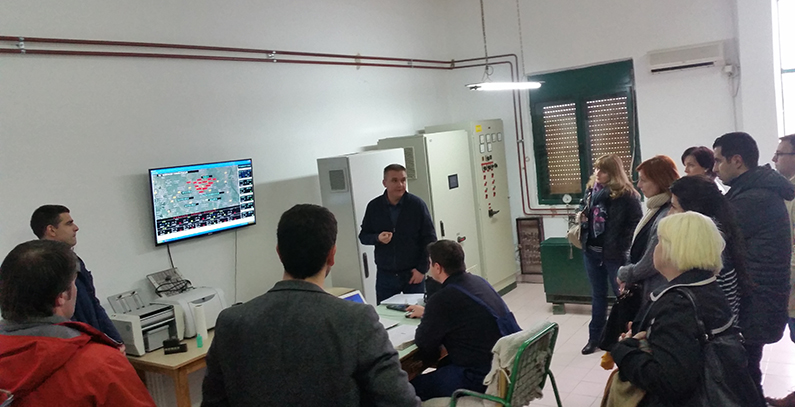
As part of the study visit program, participants also visited the Office for Energy Management of the Municipality of Vrbas, as a positive example of organization and strategic planning practices in reference to data collection on energy use in public buildings, considered crucial for informed and impactful advocacy.
Dubravka Bošnjak, Manager of the Energy Efficiency in Municipal Associations (EeMA) project, within which the strategy and the study trip are being implemented, stated that the strategy will strengthen the capacities of AoMs to conduct effective lobbying and advocacy, enabling them to take part in decision-making processes, thus providing crucial contributions for the development of the energy efficiency sector in the region.
EeMA is financed by the German Federal Ministry for Economic Cooperation and Development and the Swiss Government. The project is implemented by the GIZ Open Regional Funds for Energy Efficiency and Modernization of Municipal Services.