The proposed ban on importing Russian natural gas to the European Union doesn’t apply to the transit of Russian gas, so it doesn’t affect the supply of Serbia and Bosnia and Herzegovina, the European Commission’s spokesperson Anna-Kaisa Itkonen told Balkan Green Energy News.
After the Council of the European Union on Monday adopted its negotiating position on the European Commission’s draft regulation to phase out imports of Russian natural gas by January 1, 2028, reports emerged that Bulgaria would halt the transit of Russian gas to Serbia from January 1, 2026. The council agreed with the initiative to prohibit imports of Russian gas, starting on January 1, 2026, while maintaining a transition period for existing contracts.
Notably, Bulgaria’s Prime Minister Rosen Zhelyazkov announced in late September that his country would suspend Russian gas transit for short-term contracts in 2026 as part of EU plans to cut off Russian gas imports completely, Reuters reported.
Serbia receives natural gas from Russia via the Balkan Stream. The pipeline is an extension of TurkStream that passes through Bulgaria and Serbia. TurkStream delivers gas from Russia across the Black Sea to Turkey.
Bosnia and Herzegovina and Hungary, Serbia’s neighbors, are also supplied via Balkan Stream.
With regards to transit via EU territory, the EU proposal only requires more transparency on transited volumes to third countries
Balkan Green Energy News asked the European Commission to clarify if the supply of Russian gas to Serbia and BiH via Bulgaria would be halted as of January 1, 2026, but also how the EU could assist Serbia and BiH in that case.
The European Commission’s spokesperson Anna-Kaisa Itkonen noted that its REPowerEU proposal foresees a prohibition of the import of Russian gas into the EU.
“The EU import prohibition doesn’t concern the transit of Russian gas through the EU territory to third countries – including to Serbia and BiH. It doesn’t therefore affect Serbia’s or BiH gas supply,” she stressed.
With regards to transit via EU territory, in her words, the EU proposal only requires more transparency on transited volumes to third countries.
EU candidate countries are expected to progressively align their legislation with the EU acquis and rules
However, EU candidate countries are expected to progressively align their legislation with the EU acquis and rules as part of the accession process, Itkonen pointed out and added that it includes REPowerEU regulation once it becomes EU law.
Of note, the draft regulation to phase out imports of Russian natural gas constitutes a central element of the EU’s REPowerEU roadmap to end the EU’s dependency on Russian energy.
According to Itkonen, as a way to ensure security of supply, candidate countries including Serbia should diversify away from unreliable energy suppliers such as Russia. Following Russia’s war of aggression on Ukraine, it became evident how important this is and what problems it can create for any European country, she asserted.
“The EU is supporting the WB countries for diversifying their energy supplies”
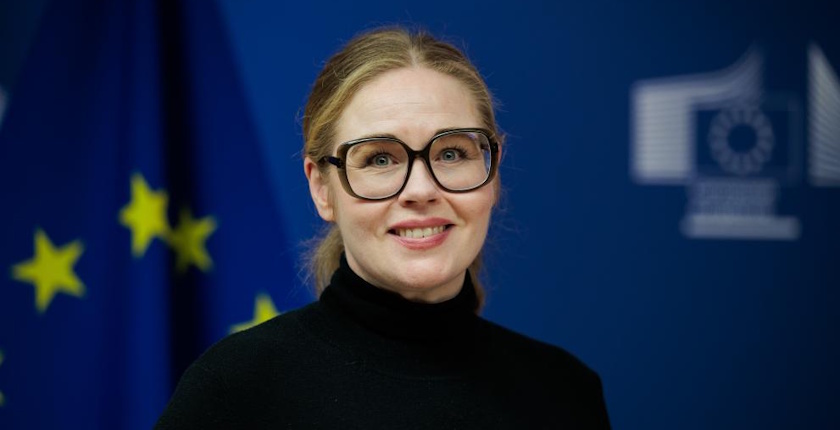
“The EU is supporting the Western Balkan countries for diversifying their energy supplies and for closer integration into the EU’s energy networks, both for electricity and gas, as well as through investments in renewable energy and decarbonization efforts,” Itkonen underlined.
After energy ministers in the Council of the EU have agreed on the institution’s negotiating position on the European Commission’s draft regulation, the next step is the adoption of the European Parliament’s position.
The council and the parliament would then start negotiations on the regulation. When the two institutions approve a regulation, it directly applies to all member states.
The meeting of the so-called Energy Council highlighted several issues and concerns among EU member states about the proposed ban on Russian natural gas.