


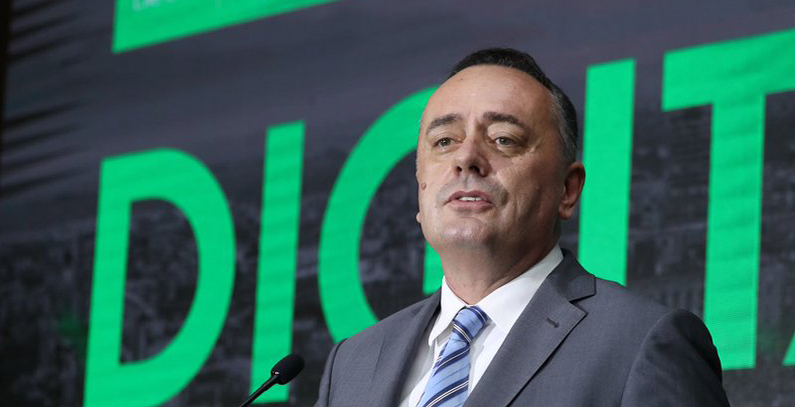
Electricity prices for households in Serbia will be increased by 3.9% on December 1, while prices for industrial consumers remain unchanged, according to energy minister Aleksandar Antić.
The Energy Agency of the Republic of Serbia (AERS) has approved the price hike and it will reflect on December electricity bills, which households receive in January, the minister explained.
The last significant electricity price increase was in 2015, with only “minimal corrections” made in 2016 and 2017, while 2018 and 2019 went without raising electricity prices, according to Antić, local media reported.
The reasons for the new increase, according to him, include justified demands by energy companies, the advance of renewable energy sources, and considerable growth in electricity prices on the global market. Even so, the announced hike is still far below the demands and costs of energy companies, he added.
Antić: Serbia has the cheapest electricity in Europe and the region
He explained that the Serbia’s electricity price is the lowest not only in the region, but also compared with all European Union member states as well as most eastern European countries. “Even with [the new] price, we have the cheapest electricity in the region, Europe, and eastern European countries,” he said. The price of electricity in Serbia is 7.2% lower than in Macedonia, 18.9% than in Bosnia and Herzegovina, 24% than in Albania, 35.8% than in Bulgaria, 79.97% than in Croatia, 85% than in Romania, and 125% than in Slovenia, according to Antić.
International Monetary Fund (IMF) Resident Representative in Belgrade Sebastian Sosa told a news conference in July that electricity tariffs in Serbia should be raised, or at least adjusted for inflation. He added that the country will have to transition to cleaner energy sources and that electricity prices should be raised gradually due to social implications.
The Fiscal Council has advised the government to implement the long-delayed reform of state power utility Elektroprivreda Srbije (EPS) and reduce or abort the channeling of EPS’ profits into the state budget before increasing electricity prices.