


Renewables

Agreements for construction of 19 small hydro facilities

Published

May 8, 2015

Comments

comments icon

0

Share

Published:

May 8, 2015

Comments:

comments icon

0

Share

After the completion of the sixth round of concession granting procedure, the Ministry of Environment and Spatial Planning of Macedonia signed agreements with 12 investors for the construction of 19 small hydropower plants, Republika.mk said.

The one-time concession fee is MKD 150 million (EUR 2.44 million). The contract expires after 23 years, including three years for the construction of the hydro systems, the magazine’s report said.

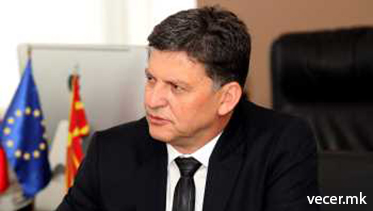
Minister Nurhan Izairi stated the plants shall add 20 MW to the country’s power production capacity. In the procedure for 80 small hydropower plants, the government had selected best offers for 33 locations, while these concessionaires are those who managed to obtain necessary permits in time, he added.

Predrag Čemerikić from Hydrogen Energy Group said its plan is to invest EUR 5 million in four small systems and start generating electricity in a year.

Tags:

Related Articles

serbia decarbonization goals cost investments eps milan lakovic

Serbia needs EUR 27 billion to reach decarbonization goals

17 April 2026 - Serbia needs EUR 27 billion to reach its decarbonization goals, according to Milan Laković, Executive Director for Finance at power utility EPS

Wilhelmshavn roman bernard battery system BESS NGEN Uniper Germany

NGEN, Uniper break ground on 100 MWh battery system in Germany

17 April 2026 - The battery system in Wilhelmshaven will balance wind and solar power, supporting grid stability and renewables integration

koncar substation sweden contract

Končar lands new record substation deal

16 April 2026 - Croatian engineering firm Končar has signed a EUR 24 million contract to build a substation...

Parliamentarians Energy Community energy security with MEPs Brussels

Parliamentarians from Energy Community discuss energy security with MEPs in Brussels

16 April 2026 - In focus at the Energy Community Parliamentary Plenum in Brussels was the mutual need to integrate energy markets to protect against price and security of supply shocks