







Photo: Steven Liao from Pixabay


The conflict in the Middle East is reinforcing a global shift towards security, trust and diversity as key considerations when choosing energy projects and partners, alongside costs, prices, and environmental performance, according to the IEA report World Energy Investment 2026.
This shift will have wide-ranging implications for the fuels and technologies that countries prioritize, where they get them from, and how they look to achieve other strategic energy objectives, the International Energy Agency (IEA) stressed.
The effects of the conflict are prompting countries and companies to rethink energy investment strategies, the report reads.
The supply shock is expected to leave a lasting imprint on future investment priorities, particularly in Asia and the Middle East, where the impacts of the disruptions to shipping flows through the Strait of Hormuz have been felt most acutely. Asia and the Middle East had been the destination for 80-90% of energy exports from Gulf producers.
IEA anticipates renewed interest in a range of domestically available energy resources
Due to changing perceptions of risk and reliability, IEA anticipates renewed interest in a range of domestically available energy resources: for key fuel importers, this creates upside for renewables, nuclear and potentially also for coal.
Preliminary signs indicate that renewables deployment is picking up in some markets heavily affected by the energy crisis.
Investments in electricity supply and infrastructure are expected to reach USD 1.6 trillion in 2026 and rise to USD 2 trillion when spending on end-use electrification is included, the report reads.
Spending on electricity grids is projected to approach USD 550 billion, up nearly 20% year on year, while battery energy storage system investment is set to exceed USD 100 billion.
“We are in the midst of the largest energy security crisis the world has ever faced – and I believe this will reshape investment strategies globally, with parallels to the major changes the energy world witnessed after the oil shocks of the 1970s,” said IEA Executive Director Fatih Birol.
Many impacts will become visible only later
The report projects that global energy investment reaches USD 3.4 trillion in 2026, a slight increase year on year. Around USD 2.2 trillion is expected to go to grids, storage, low-emissions fuels, nuclear, renewables, efficiency and electrification in 2026, while around USD 1.2 trillion is set to be invested in oil, natural gas and coal, IEA said.
As with previous energy shocks, many impacts will become visible only later. Around 3/4 of anticipated energy investments in 2026 are based on decisions made well before the current conflict began, the authors of the report underscored.
Despite higher oil prices, oil investment is expected to decline for a third consecutive year in 2026, falling below USD 500 billion. However, natural gas investment is projected to rise to USD 330 billion, the highest level in a decade, supported by a wave of new LNG export projects, particularly in the United States and Qatar, the report reads.
Low-emissions sources still account for more than 70% of total power generation investment globally
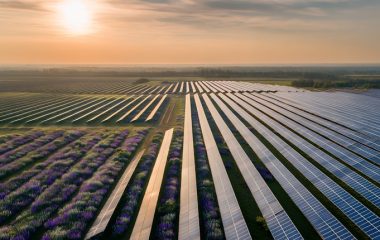
Investment in renewable power projects is expected to total around USD 665 billion in 2026, including USD 365 billion for solar. While annual investment growth in renewables has moderated following several years of rapid expansion, low-emissions sources still account for more than 70% of total power generation investment globally, IEA explained.
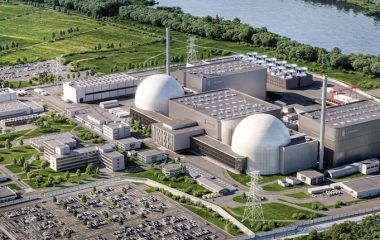
Investment in nuclear energy would exceed USD 80 billion annually, continuing the growth, with close to 80 GW of new nuclear capacity under construction across 15 countries.
Coal investment is set to rise to USD 180 billion in 2026, the highest level since 2012. China accounts for almost 70% of the spending.


Be the first one to comment on this article.