






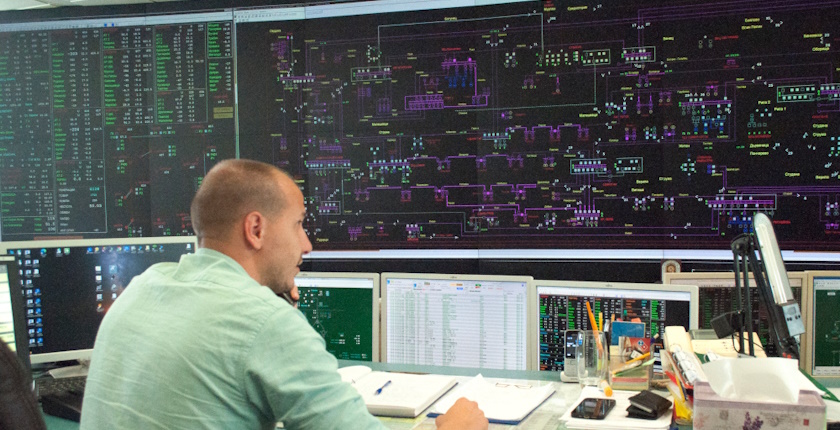
Photo: ESO


Bulgaria’s Electricity System Operator became the first TSO in Southeast Europe to connect to cross-border balancing platform PICASSO. It means it is waiting for at least one neighboring country to join to actually be able to exchange such energy.
Rollout has been slow for the Platform for the International Coordination of Automated Frequency Restoration and Stable System Operation (PICASSO), marked by delays and price turmoil. Bulgaria is often very late in fulfilling obligations under European Union law, even when it could cost it hundreds of millions of euros for the energy transition. Namely, the country’s been stuck for four years in a political crisis. This time it chalked up a win with the adoption of PICASSO but for now with very limited benefits.
Namely, the platform’s methodology and algorithm are intended primarily for the cross-border provision of secondary reserve so that the electricity grid’s operating frequency remains stable. Bulgaria’s state-owned ESO announced that it became the first transmission system operator in Southeast Europe to connect to PICASSO.
It means it is waiting for at least one neighboring country to join to actually be able to exchange balancing energy from the activated automated frequency restoration reserve (aFRR). For instance, Romania has been postponing the platform’s rollout just like Bulgaria.
PICASSO is gateway to wider market
PICASSO optimizes balancing energy between control blocks in the Continental Europe synchronous area. It collects and rates all available offers for balancing energy from aFRR according to their prices, placing them into a common merit order list or CMOL. The adoption of joint rules within an interconnected region opens access to capacities important for the facilitation of long-term electricity market transactions.
There are 26 transmission system operators in the project. They are all members of the European Network of Transmission System Operators for Electricity – ENTSO-E.
Pricing of balancing energy in Bulgaria remains within internal market
ESO said the marginal price for Bulgaria’s balancing energy pricing methodology will continue to be determined by the activated local sources of balancing services – the internal market. The company stressed the importance of its latest step for the formation of a resilient and efficient common European energy market.
PICASSO is also operational in Denmark, Germany, Belgium, the Netherlands, Czech Republic, Slovakia, Austria and Italy.
ESO plans to connect in June to another balancing energy platform – Manually Activated Reserves Initiative (MARI).



Be the first one to comment on this article.