







Photo: iStock


Serbia-based Solar Power Plant Ipsilon plans to install two agrisolar power plants with a capacity of 9.9 MW each in the municipality of Odžaci. The projects include storing electricity with batteries and hydrogen.
Agrisolar projects are becoming increasingly common Serbia and the Southeast Europe region. However, their coupling with energy storage, including electrolyzers for hydrogen production, is still not a widespread solution.
Solar Power Plant Ipsilon has prepared projects for solar power plants Odžaci 1 and 2, and the Municipality of Odžaci has launched a public consultation. The facilities would be located in two cadastral municipalities in Ratkovo.
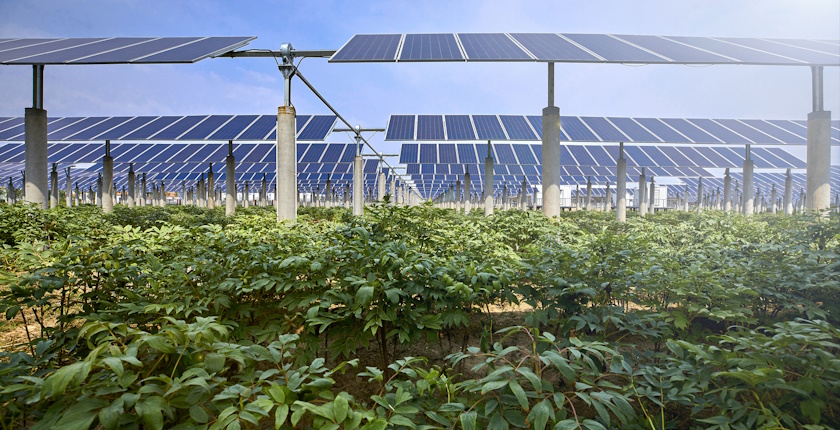
The projects envision the construction of agrisolar power plants using highly energy-efficient technical and technological solutions, along with the joint use of land for agricultural purposes.
The power plants will have bifacial solar panels with a tracker system
The solar power plant will have bifacial solar panels with a tracker system. The generated electricity will be supplied to the power distribution network.
In addition to power generation, the site will also be used for livestock grazing.
The investor plans to store excess electricity for providing auxiliary services or services that generate higher income. For this purpose, it intends to use two currently available technologies: battery energy storage systems (BESS) and electrolyzers for hydrogen production.
Energy storage helps the grid operator and increases investors’ profits
This solution enables local distribution grid operators to become more independent and allows investors to generate maximum income from their photovoltaic plants, according to the project.
The first agrisolar power plant in Serbia – Solar Harvest – was installed a year ago. Agrosolar Kula, one of the largest projects in the pipeline, not only in the country but in Europe, is planned in Kula, and two more projects are being developed near Kikinda.
In Montenegro, similar projects are under development on the border with Serbia and in the municipality of Pljevlja. Croatian firm Sunčane Livade plans to build an agrisolar plant called Bilogora, while Greek startup Brite Solar is building a production line for transparent solar panels for agrivoltaic production.
Albania, Romania, and Slovenia have recently proposed or adopted additional acts for their agrisolar regulatory frameworks.

Be the first one to comment on this article.