






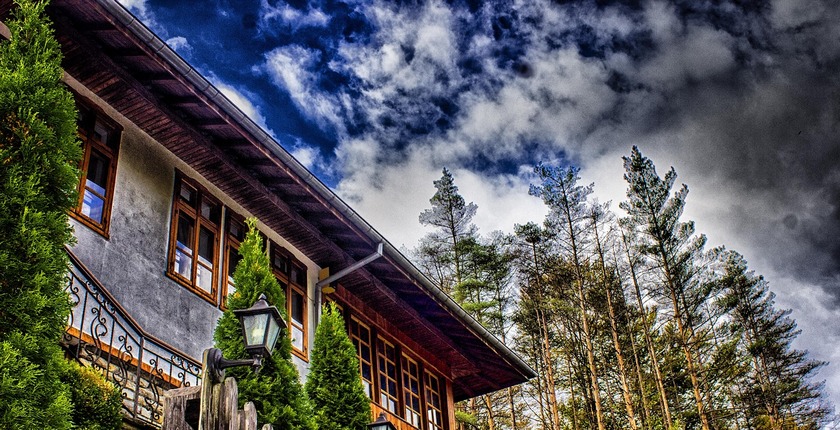
Gabrovo (photo: beni_04 from Pixabay)


The Bulgarian Municipality of Gabrovo has issued a public call for joining the country’s first energy community, which would build a solar power plant on the site of a regional landfill for non-hazardous waste. Setting up energy communities in Bulgaria was made possible by recent legislative changes, but the bills are facing opposition from President Rumen Radev.
Bulgaria’s first energy community is expected to develop its renewable energy plant in an investment valued at BGN 180,000 (EUR 92,000). Eligible to take part in the project are individuals, local bodies including municipalities, non-governmental organizations, and small and medium-sized businesses.
The Gabrovo energy community will include both citizens and legal entities
The financial participation of an individual or legal entity can be no less than BGN 500 (EUR 255) and no more than BGN 5,000 (EUR 2,550), according to a statement from the municipality. The call is open until January 31 or until the necessary funds are raised.
According to the statement, an energy community is a group of legal entities and individuals who together produce energy from renewable sources.
The application process has two stages, the first being open only to participants registered on the territory of the municipality of Gabrovo, and the second to participants from other regions of Bulgaria. The city is located in the country’s central part, near Veliko Tarnovo.
Laws regulating energy communities may be overturned
The project comes less than two months after the adoption of changes to Bulgaria’s Law on Energy that introduced energy communities. Bulgaria’s Energy from Renewable Sources Act, which was also amended recently, regulates the establishment and operation of citizen energy communities.
President Radev seeks to overturn the laws so as to protect agricultural land and consumers
The Bulgarian parliament passed the two bills in a bid to avoid losing access to funds from the European Union’s Recovery and Resilience Facility. However, due to controversies over a number of provisions, President Rumen Radev is trying to overturn them both.
Radev has referred the renewables law to the Constitutional Court of Bulgaria to prevent the use of agricultural land for electricity production, and has refused to sign the changes to the energy law over the lack of a mechanism to protect consumers.
Be the first one to comment on this article.