






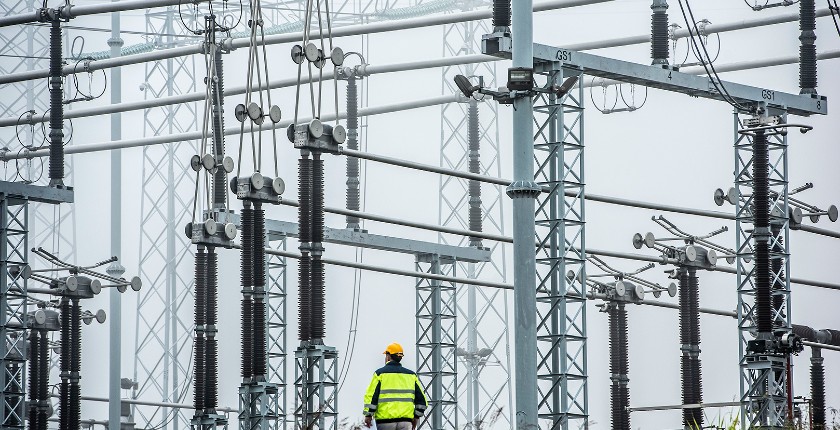
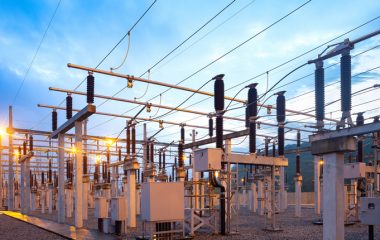
Photo: EMS


Elektromreža Srbije (EMS), the national transmission system operator (TSO), intends to use renewable energy sources in order to produce electricity for its own consumption, reduce expenses, and become a prosumer.
Serbia’s TSO EMS has announced a public call for the preparation of a study on electricity production from renewable sources for self-consumption.
The study should help EMS implement the concept of zero consumption buildings, along with the promotion of renewable energy sources, which should result in a reduction of costs for self-consumption of substations, reads the public call.
EMS has to provide 21.5 GWh a year for the operation of its substations and distribution facilities
The concept of zero consumption implies that buildings are very energy efficient and consume only as much energy as they produce. EMS did not specify what type of renewable energy it intends to use, but it is clear that with this move EMS would be joining the hundreds of households and firms in Serbia, and the region, that have already become or will soon become prosumers by installing solar panels.
According to the public call, EMS owns 48 substations and distribution facilities that consume 21,500 MWh per year. EMS procures this energy on the market, where the price reached its all-time high in 2022.
The company believes high electricity prices are here to stay
EMS estimates that high electricity prices on the market are not a temporary disturbance, and that the return to levels before the energy crisis is not possible. Therefore, saving electricity is a priority, as well as optimizing the company’s consumer portfolio.
The idea is to assess all options to replace the energy consumed by substations and distribution facilities with renewable energy sources, as well as to consider the utilization of all available capacities that are currently used as part of the system for uninterrupted power supply of substations.
The study should also analyze energy storage options
The study should contain an assessment of the existing and potential capacities for the production and storage of energy from renewables by EMS facilities, and mechanisms for the management of renewable sources and storage capacities.
The study should analyze the costs and benefits of the optimal planning and management of EMS’ consumer portfolio, with the utilization of all available assets in its facilities – electricity storage, production capacities, renewable sources.

Be the first one to comment on this article.