







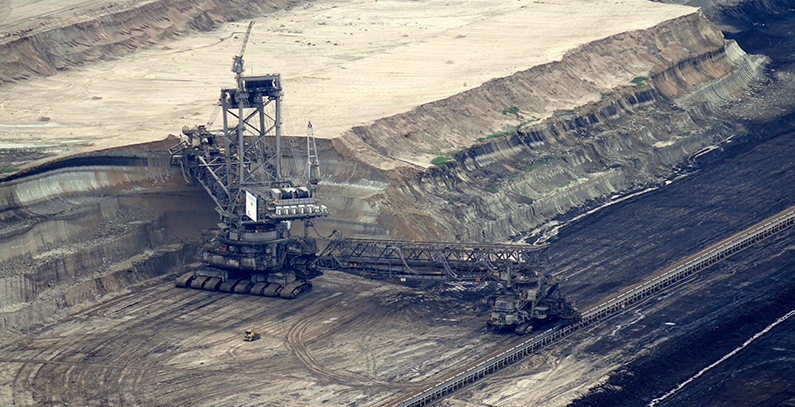
Photo: Pexels


Proponents of coal have overall claimed that 10,030 jobs would be maintained and 17,600 new jobs created, while according to new analysis a reduction of workplaces by around 5,170 is more likely, CEE Bankwatch Network said in a press release.
A study The great coal jobs fraud covering eight southeast European countries – Bosnia and Herzegovina, Bulgaria, Greece, Kosovo*, Macedonia, Montenegro, Romania and Serbia, finds that claims the coal industry will create or maintain tens of thousands of jobs in the region – a key argument used to justify building new coal units or prolonging the life of unprofitable, old and polluting ones – are greatly exaggerated, a statement by Bankwatch reads.
This study, an update of Bankwatch’s November 2016 analysis, finds that even the current levels of employment cannot be maintained and some companies such as public power utilities Elektroprivreda Srbije (EPS) and the Pljevlja coal mine in Montenegro have already begun reducing their workforce, Bankwatch said, adding that a fair and inclusive plan is urgently needed to transform coal-dependent communities.
As part of its ongoing restructuring programme, Elektroprivreda Srbije needs to reduce the number of workers overall but there is very little information about this publicly available, the study finds. It is very unlikely that there will be an overall increase in jobs if Kostolac B3 power plant is built as this will merely offset some of the jobs lost in the wider company, the analysis notes.
“Overstaffed coal mines”
The planned 500 MW Kosova e Re is the regional prize winner in terms of exaggerated employment claims, Bankwatch said in a statement.
Media statements by the concessionaire suggest that 10,000 jobs would be created during the construction phase and 500 during operation, yet the analysis shows that no more than 1,200 workers should be required during the construction stage – and many of them are likely to be imported specialists – while no more than 190 should be required during operation, press release by Bankwatch reads.
According to Bankwatch study, overstaffed coal mines in the region will see large reductions in employee numbers whether new coal power plants are built or not.
“Governments in the region which pretend the coal industry can be kept afloat are merely deceiving people. The industry is dying and the promises of job creation are keeping workers and communities trapped into an altered reality,” says Ioana Ciuta, Bankwatch energy coordinator and co-author of the study.
“Meanwhile, employment in renewables has reached 1.5 million in the EU alone and it’s growing.”



Be the first one to comment on this article.