


News

Works launched at interconnection towards Romania

Published

March 22, 2016

Comments

comments icon

0

Share

Published:

March 22, 2016

Comments:

comments icon

0

Share

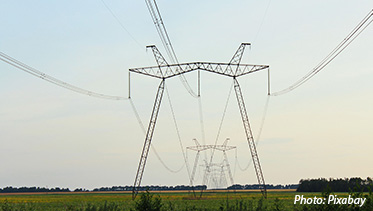
Construction of the Serbian section of the new overhead power line towards Reșița in Romania started at Pančevo substation northeast of capital Belgrade. The project worth EUR 24.7 million is planned to be completed by the end of next year for the trial run, according to a press release by transmission system operator Elektromreža Srbije (EMS), which finances the works.

The contractors are Energoprojekt holding and Energoprojekt oprema. Officials from the companies involved in the project said the interconnection will significantly increase the capacity of cross-border transmission, reduce losses and add to safety and reliability of the electric power systems of both countries. The double 400 kV line will have 203 towers on the 68 kilometre route in Serbia across the municipalities of Pančevo, Kovin, Alibunar, Vršac and Bela Crkva.

Related Articles

Aurora bess battery storage Bulgaria Flexible Energy Forecast service

Aurora launches Bulgaria Flexible Energy Forecast service

19 December 2025 - Aurora decided to expand its inaugural Romanian Flexible Energy Forecast service, released in April, and other established forecasts for SEE

rystad power pricing interval bess

EU’s new power pricing interval boosts BESS profit potential – analysis

19 December 2025 - Thanks to the 15-minute trading interval, arbitrage potential on the day-ahead power markets has increased by 14% on average, Rystad says

Bulgaria approves support for BESS projects totaling more than 4 GWh

Bulgaria approves RESTORE funds for over 4 GWh in BESS projects

19 December 2025 - Developers of 31 standalone battery storage facilities in Bulgaria won EUR 117 million from European Union funding

eu region ministerial council 2025 meeting vienna

Serbia is first Energy Community contracting party to enter verification phase of market coupling

18 December 2025 - At the Energy Community Ministerial Council, ministers addressed energy security, market integration, climate policy, and environmental protection