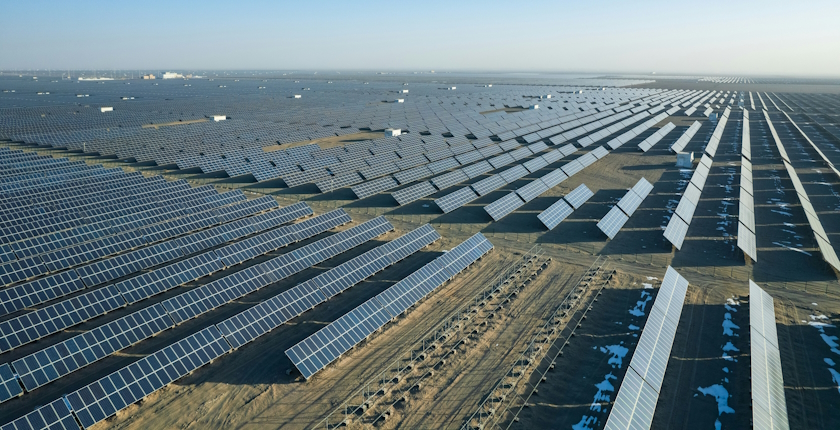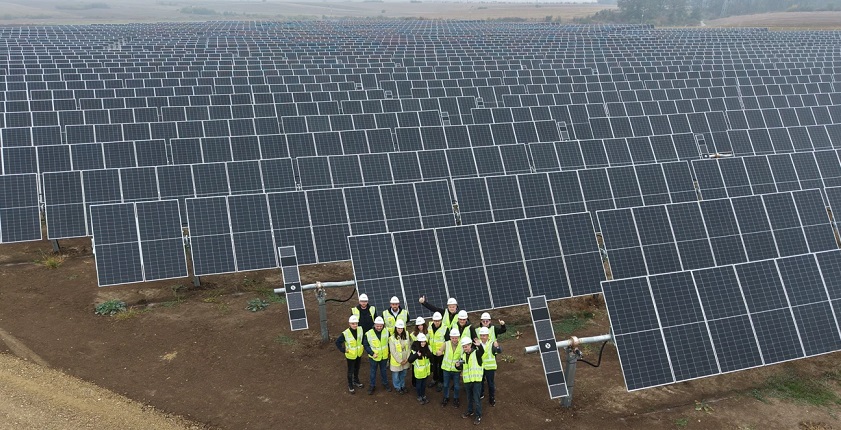



At 140 MW in peak capacity, Karavasta is the biggest photovoltaic system in the region. It is about to begin delivering electricity to the transmission system in Albania.
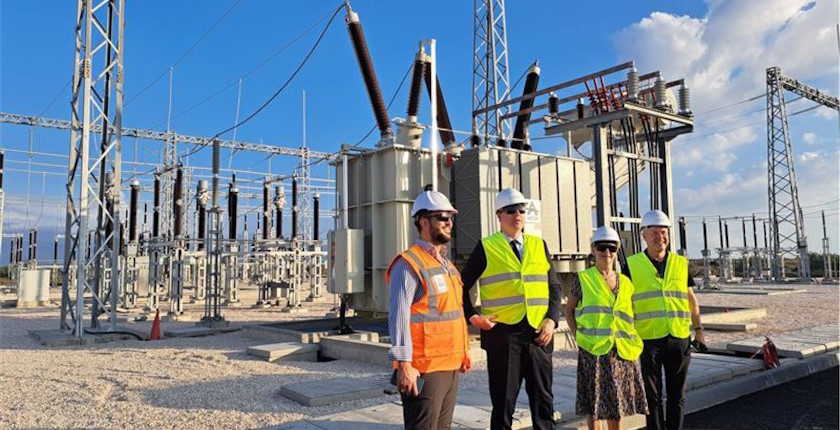
The largest photovoltaic facility in the Western Balkans is counting the days before the start of production. The Karavasta solar power plant will take over the title from Novaci in North Macedonia, which has just been commissioned. France-based utility Voltalia said Minister of External Trade Olivier Becht and the country’s Ambassador to Albania Catherine Suard visited the site south of Tirana.
The construction of the system with a nameplate capacity of 140 MW began 15 months ago. Notably, in April the company obtained a syndicated loan from a group led by the International Finance Corp. (IFC) and the European Bank for Reconstruction and Development (EBRD).
Investors awaiting next solar power auction
Karavasta is located in Albania’s emerging solar power hub in the Fier province, in the west. The project is valued at EUR 135 million.
Voltalia won a long-term power purchase agreement by winning a state-sponsored auction three years ago. It came out on top at the following competition as well, in 2021. The second contract is for a 100 MW solar power project called Spitalla in Durrës area, near the capital city.
Investors are expecting a public call for a 300 MW solar power auction that won’t be location-specific. Albania recently saw through the first competitive bidding procedure for wind power.
Karavasta could lose top spot in Western Balkans before too long
Hydroelectric plants still make up almost 100% of the country’s electricity production. The government is working on diversifying the mix with solar power and facilitate the construction of its first wind parks and gas-fired power plants. At least two more major photovoltaic systems are under construction in Albania.
Some of the PV projects that investors in the Western Balkans are developing are actually measured in hundreds of megawatts, though most are in the early phases. Karavasta could lose its position in the top list not before long, too. There are solar power plants under construction in Bosnia and Herzegovina and Kosovo* of 150 MW each in peak capacity.
In the wider Balkan region, the recently commissioned Kalyon Karapınar solar power plant in Turkey has a record 1.35 GW in peak capacity or 1 GW in connection terms.