



Hybrid power purchase agreements from co-located projects, battery offtake agreements, and stand-alone PPAs are beginning to dominate the renewable energy market, according to Luca Pedretti, Co-Founder & COO of Pexapark.
The power purchase agreement (PPA) market is going through a turbulent period. Two days ago, RE-Source Platform noted that the number of PPAs in Europe had decreased by 60% compared with the same period last year. The figure was consistent with Pexapark’s July report, which stated that the number fell 31% in the first six months of the year.
Over recent months, the analytics and advisory firm has spoken with a number of executives at independent power producers.
“Their message was consistent. The period dominated by straightforward, conventional power purchase agreements (PPAs) is transitioning into a new era,” Luca Pedretti wrote in a piece for Pexapark’s website.
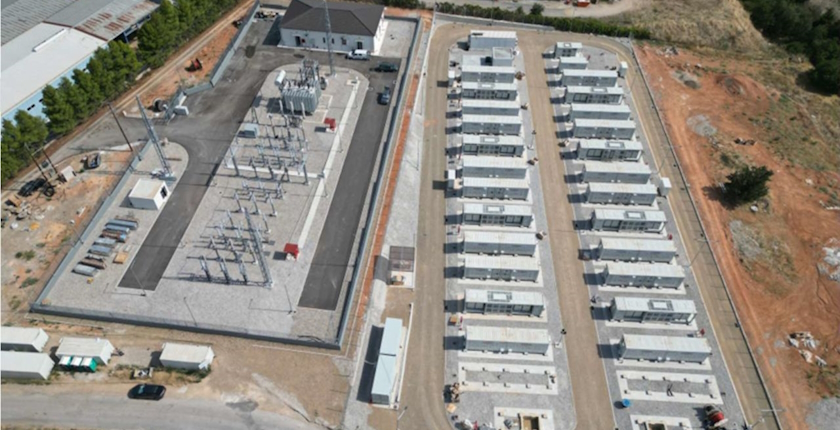
While the initial phase centered on PPAs, the focus now is on more structured deals and the integration of new asset classes, such as battery energy storage systems (BESS), he noted.
Battery offtake agreements can take various forms
One of the models involves hybrid PPAs from co-located projects. Co-location is the deployment of multiple technologies at a single site. Most often, it is wind and solar, or solar with battery energy storage systems.
Previously, this kind of project included pricing based solely on energy delivered, but that has now changed.
Today, it is necessary to evaluate and price the marginal value added by co-location, the interactions between different resources, and the premium associated with reduced curtailment and improved grid capacity utilization, Pedretti wrote.
Battery offtake agreements include tolling contracts, merchant sharing agreements, and capacity-based deals. Valuation and pricing in these deals vary a lot from those used in pure energy agreements.
Stand-alone PPAs are still standing
The third model is the stand-alone PPA. These deals have managed to maintain their share of the market. However, there have been some changes in approach.
The number of “plain vanilla PPAs” has decreased, while transaction price ranges have expanded. In the new circumstances, understanding the impact of negative prices and curtailments on price and value has become crucial.
Additionally, in many markets, the balancing risk is now handled completely differently than it was just 12 months ago, according to Pedretti.
He stressed that the Pexapark Renewable Valuation Framework for PPAs continues to provide a solid foundation.
“However, the importance of the ‘middle part’– understanding risk and projecting future realized prices – has increased substantially,” he noted.