


News

State grants incentives for efficient devices

Published

September 12, 2015

Comments

comments icon

0

Share

Published:

September 12, 2015

Comments:

comments icon

0

Share

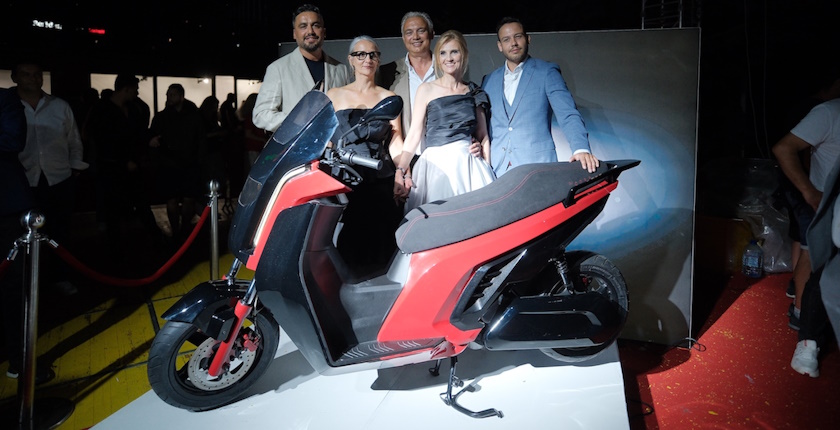
Environmental Protection and Energy Efficiency Fund of Croatia said citizens and enterprises are entitled to an incentive of up to HRK 70,000 (EUR 9,160) when they buy electric or hybrid vehicles. The budget for the project is EUR 982,000. Subsidies are worth up to 40% of the purchase. New hybrid plug-in car owners get up to EUR 6,550, and for hybrid autos the incentive is maximum EUR 3,930 as is for electric scooters, motorbikes and quad bikes. So far EUR 4.45 million was granted for 946 vehicles in two campaigns, environment minister Mihael Zmajlović said.

The fund said on September 8 it secured EUR 1.05 million in incentives in the purchase of 10,000 household devices ranked A+++ by efficiency. The public call will be published in October, the press release said. All the funds of the previous programme were used in just nine days, with 10,000 devices bought, Zmajlović had said in June.

Related Articles

north macedonia substaion central evn bozinovska

EVN Macedonia commissions Skopje’s first substation in 40 years

30 March 2026 - It is the first energy infrastructure of its kind built in Skopje and even in the broader region, EVN said

Rezolv Energy landmark cross border VPPA giant wind park Vifor

Rezolv Energy signs landmark cross-border VPPA for its giant wind park Vifor

30 March 2026 - Etem Gestamp is sourcing electricity for its operations in Bulgaria from Rezolv Energy’s 461 MW Vifor wind farm in Romania

Serbia SEEPEX power exchange introducing negative prices

Serbia’s SEEPEX power exchange introducing negative prices

30 March 2026 - Serbian power bourse SEEPEX will enable negative prices on May 5 and 6. North Macedonia's NEMO is launcing intraday market at the same time.

Decarbonising multi-family buildings, the solutions are here

Decarbonising multi-family buildings: the solutions are here

30 March 2026 - Solutions for decarbonising multi-family buildings already exist, from heat pumps to modernised district heating, but wider deployment will require a clearer and faster regulatory framework.