


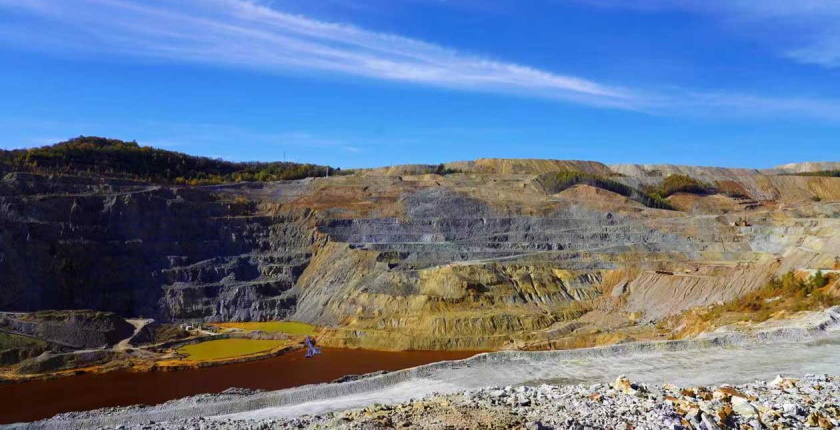
The company Serbia Zijin Copper has started preparing a plan to reduce emissions and switch to renewable energy.
Serbia Zijin Copper aims for its carbon dioxide emissions to peak by 2028 and to achieve climate neutrality by 2050. It intends to install solar power plants of 100 MW in total by 2033.
Of note, the company is heavily criticized as one of the biggest polluters in Serbia, so the city of Bor, where it is located, is constantly among the places with the most polluted air in the country, but also because of planned investments, which could cause additional pollution.
The firm is working on identifying the biggest CO2 emitters within its operations
Mirjana Marić, the company’s head of environmental protection, said it is preparing a study for modeling CO2 emissions from mining and metallurgical activities.
The document is being prepared in cooperation with the Faculty of Technology and Metallurgy of the University of Belgrade. The researchers said they would identify the biggest emitters of CO2 and prepare a plan to reduce emissions and switch to renewable energy.
The company has already replaced the equipment with a low rate of efficiency and high electricity consumption, Marić added. Now it will use natural gas in its smelter instead of fuel oil and other fossil fuels, which will significantly reduce emissions, she claimed.
Project documentation for the construction of solar power plants is also being prepared
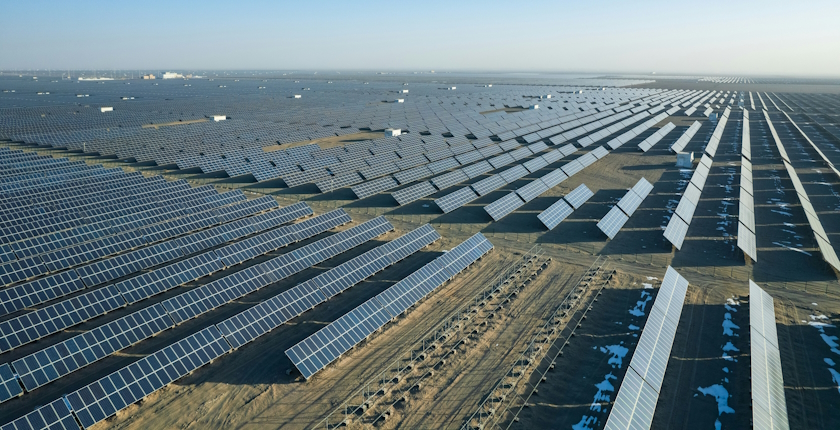
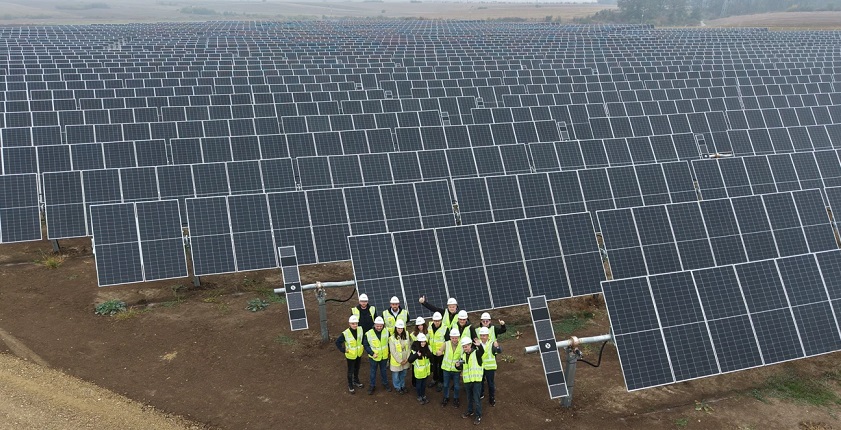
Serbia Zijin Copper is working on project documentation for the construction of solar power plants to meet part of its electricity needs from renewable sources and reduce its carbon footprint.
Jovica Radosavljević, production director in Serbia Zijin Copper, said photovoltaic facilities should be built in three phases over the next 10 years, with the goal to reach 100 MW by 2033.
The first phase is for a 9.9 MW PV system, the company’s representatives said.