





Photo: iStock


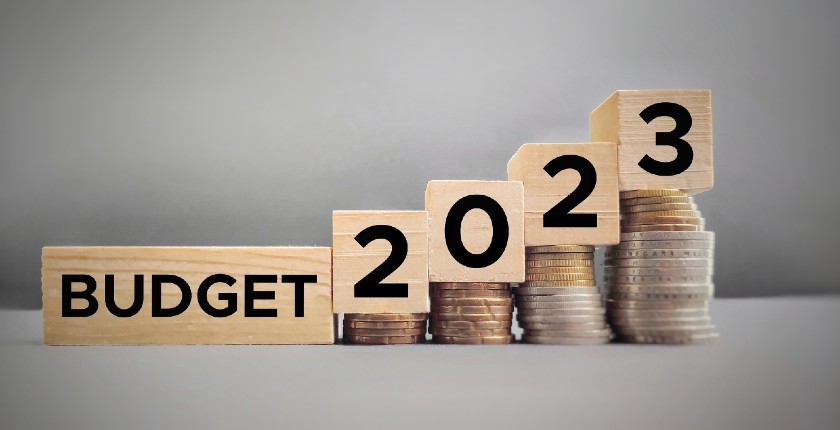
The proposed 2023 Law on budget envisages state guarantees and project loans for financing several large-scale projects important for Serbia’s energy transition, including pumped storage hydropower plants Đerdap 3 and Bistrica.
Serbia will have the opportunity to kick-start significant energy projects in 2023, as the proposed Law on a budget contains state guarantees and project loans for financing pumped storage hydropower, wind power and solar power projects.
Pumped storage hydropower projects Đerdap 3 on the Danube river and Bistrica in Western Serbia are among the most valuable endeavors for which the government secured financial backing.
The budget proposal envisaged EUR 1 billion for project loans from foreign investment corporations, funds and banks for Đerdap 3 project, compared to EUR 1.5 billion in this year’s budget.
The Government is also ready to support the construction of Bistrica with up to EUR 600 million, with previous studies indicating a capacity of around 600 MW.
Both pumped storage hydropower plants are instrumental in Serbia’s attempt to decarbonize its energy sector. They offer electricity production that could balance the variable output of large wind parks and solar power plants, which Serbia also intends to develop to include more green energy in its energy mix.
Chance for renewable energy projects
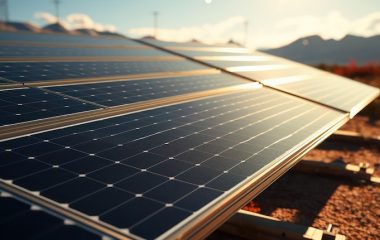
The budget proposal also included up to EUR 800 million of guarantees for developing 1 GW solar power plant and EUR 1 billion for wind farms capacity from 800 MW to 1 GW, projects that are likely to be developed in partnership with private investors.
EPS can count for Government guarantees for its own renewable energy projects, including EUR 30 million euros for Kostolac 1 Wind Park, developed with the support of German KfW bank and EUR 250 million for Buk Bijela hydropower plant, joint project of EPS and Elektroprivreda Republike Srpske, where preparatory works begun in 2021. The budget proposal also included heating and electricity CHP power plant using biomass, in thermal power plant Kolubara B, at the amount of EUR 395.5 million.
The state guarantees are necessary for the development of these projects, as EPS would not be able to secure financing for these projects without Government backing.
The Fiscal Council, an independent body charged with assessing fiscal policy, warned in its analysis of 2023 Law on budget proposal that direct costs associated with EPS and Srbijagas, electricity and gas utilities will amount to EUR 1.2 billion, or around one half of predicted next year’s fiscal deficit of 3.3 percent. They added that predicted expenses could go even higher as public companies usually rely on the Government to pay for the guaranteed loans, thus passing the cost to tax-payers.
Be the first one to comment on this article.