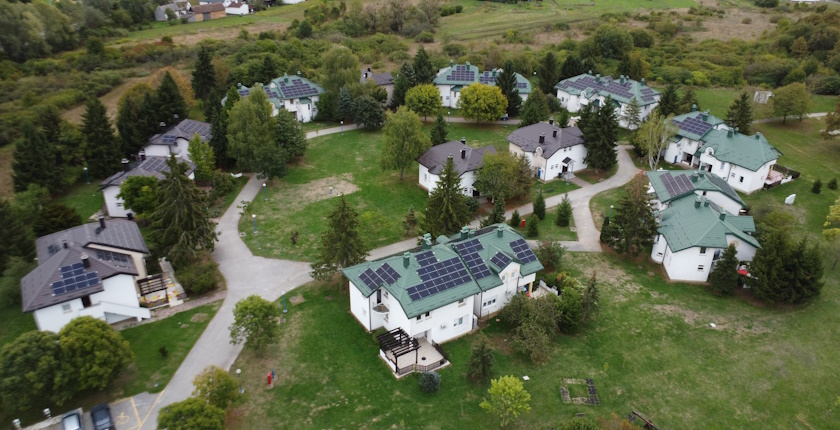



The Ministry of Mining and Energy has published a call for the program to subsidize households to install solar panels and become prosumers. The Ministry announced new calls for energy efficiency refurbishments and solar panels at the end of 2021 and new rounds throughout 2022.
The program has started with a public call for the allocation of subsidies to cities and municipalities. The ministry and local municipalities are securing half of the investment in solar panels in total, while households need to cover the remainder. The part secured by the ministry will be awarded to the municipal units under the public call, and they allocate the same amount from their budget.
After the public call for local authorities is over, they will launch public calls for households.
A similar scheme has been recently launched to grant households subsidies to replace doors and windows, install insulation, and replace heating systems with cleaner ones.
Each selected local authority will be allowed to receive a maximum of EUR 42,600
The ministry will allocate EUR 426,000 to cities and municipalities, which means that the total sum of incentives is EUR 852,000. Each selected municipal unit can receive a maximum of EUR 42,600.
The deadline for applications is October 1, the public call reads.
The program for households to install solar panels includes the following energy efficiency measures:
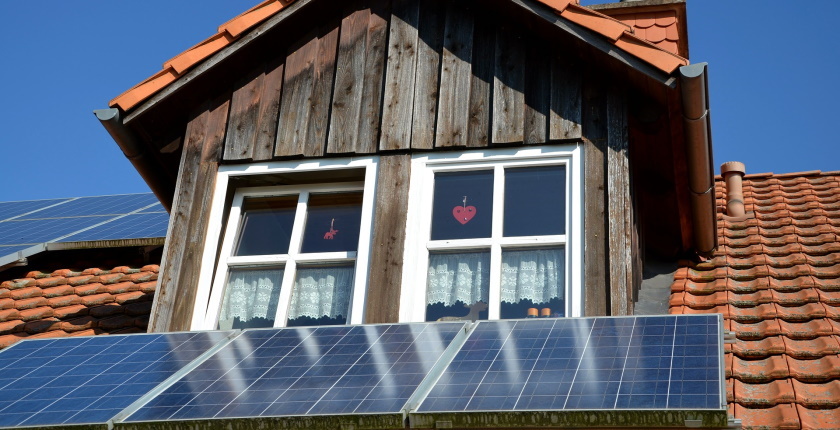
- Installation of solar panels and accompanying installations for the production of electricity for self-consumption;
- Preparation of the technical documentation and the installers’ reports are necessary for the connection to the distribution system.
In a month and a half, local authorities will sign the first contracts with the citizens
Deputy Prime Minister and Minister of Mining and Energy Zorana Mihajlović estimated that local authorities would sign the first contracts with households to allocate subsidies in 30 to 45 days.
Next year, several more public calls for solar panels will be published
She said another public call is planned to be issued by the end of the year for households to replace doors and windows, install insulation and replace heating systems with cleaner ones. That next year there would be several rounds of subsidies for solar panels.
There is no reason for Serbia not to use more green energy and increase energy efficiency, and the public calls should contribute to that goal, said Mihajlović.