


A significant decrease in electricity demand combined with record renewable electricity supply prevented the European Union from returning to fossil fuels in the winter, saving EUR 12 billion as well as natural gas for other uses. For the first time, renewable power plants produced more electricity than fossil fuels from October to March, according to Ember’s latest report Weathering the Winter.
“While Europe will be glad to put a difficult winter behind it, the measures taken should be learned from to inform the accelerating transition away from fossil fuels. Demand reductions that can be maintained sustainably should be, in order to reduce strain on grid infrastructure,” Ember’s analysis reads.
The authors stressed demand flexibility as a critical future part of Europe’s future power system, saying any gains made in recent months in this much-needed service should be evaluated, consolidated, and quickly built on.
Electricity worth EUR 12 billion saved across the EU over winter
Nearly every member state reduced electricity demand over the winter, although only a handful achieved the voluntary 10% reduction target set by the EU’s emergency legislation. Total electricity demand was down 6% on the five-year average, saving EUR 12 billion worth of electricity, the report underlines.
The winter started with the biggest year-on-year falls in monthly demand since the COVID-19 pandemic lockdowns in the spring of 2020. The fourth quarter of 2022 saw an 8.5% decrease on an annual basis. The trend continued into the first quarter of 2023, with demand 5% lower than in 2022.
Most member states (23 out of 27) reduced their monthly electricity demand, but only three countries reached or exceeded the 10% target: Romania, Slovakia and Greece. The only countries to show an increase in electricity consumption were Poland, Denmark, Malta, and Ireland, according to the report.
Renewables produced 40% of electricity in EU
Ember said fossil fuel generation dropped 12% year-on-year due to a large drop in power demand and that renewables grew to overtake the share of fossil fuels in the EU electricity mix for the first time.
Renewables accounted for 40% of EU generation between October and March, with fossil fuels at 37%, while coal power fell by 11% or 27 TWh and gas by 13% (38 TWh) from the previous winter.
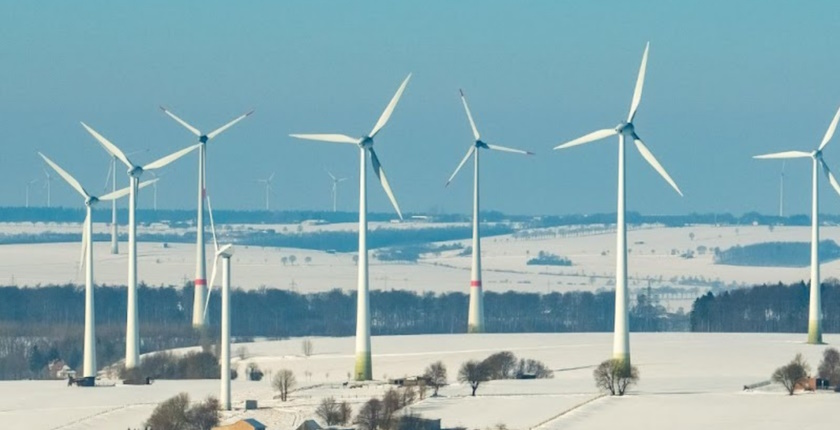
Combined, wind and solar have provided almost a quarter of the EU’s electricity, up 6% year on year or by 18 TWh. Hydro generation remained similar to the previous winter.
The 1-in-500-year drought caused output to plummet by 20% or 66 TWh in 2022, but almost the entire drop (95%) occurred from January to September, before the start of winter, the report reads.
Coal power output fell in 15 out of 18 EU countries
Of the 18 countries in the EU that continue to use coal for power, 15 reduced coal generation over the winter from the year before, the document showed.
The only three to increase coal generation were Italy (26%), Finland (12%) and Hungary (3%).
Coal and gas generation both decreased on an annual basis, by 27 TWh or 11% and 38 TWh (13%), respectively. The drop would have been higher if French nuclear plants had come back online as expected in January. However, the EU’s nuclear power output was lower by 13% than one year before.
Poland and Germany saw the largest year-on-year decrease in coal generation, according to Ember’s report.