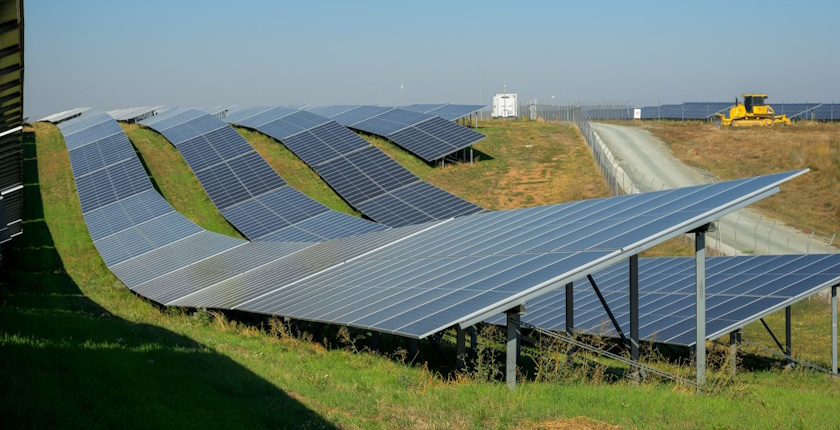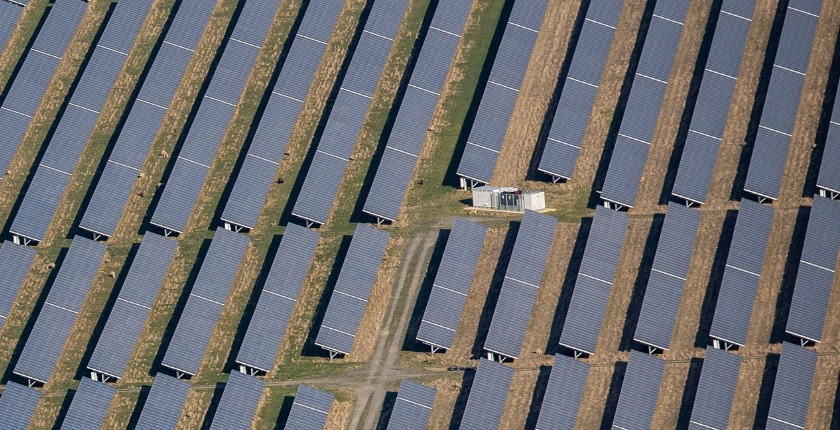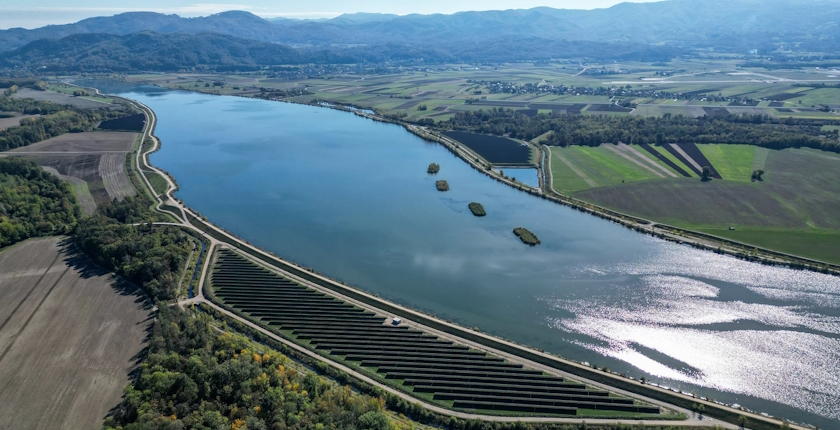




After getting the approval for four solar power plants of 16 MW in total, the joint venture of the Holy Archdiocese of Cyprus and Electricity Authority of Cyprus is working on 14 more units with an overall capacity of 68 MW.
The Department of Environment received an environmental impact assessment (EIA) study for a group of photovoltaic plants valued at EUR 70 million, Philenews reported. The projects are being developed by a firm set up by the Church of Cyprus and the state-owned Electricity Authority of Cyprus (EAC), which holds a 49.99% stake.
The proposal was published for public consultation until March 16.
The joint venture plans to build 14 solar power plants with a combined capacity of 68 MW in the mountainous area of Achera next to the Agios Ioannis Malountas village in the Nicosia district. The document reveals construction work is expected to begin next year and last until mid-2025.
Achera area becoming solar hub
The Holy Archdiocese of Cyprus and EAC earlier got approval for four photovoltaic units of 16 MW in total, the article adds. The projects are also located in Achera in the central part of the country.
The joint firm said in the study that the 14 units would be connected to the grid at different points. The area covered in the document spans 195 hectares while the lots intended for solar parks take up 174 hectares.
The arrays of solar panels are planned to cover almost 100 hectares. Twelve hectares are intended for the transmission network and accompanying installations should take up 1.1 hectares, leaving 60 hectares unused.
In the 195-hectare area, 12% is a protected zone. The plan includes EAC’s substation. The estimated lifespan of the projects is 25 years from the commission date.
The nearest inhabited areas are the villages of Meniko to the north and Agios Ioannis to the east, both 2.2 kilometers from the nearest sites for the solar power plants.
Risks for birds
According to the document, mitigation measures would reduce the small and moderate negative effects expected during construction and the moderate and significant impacts that are seen during the operation of the photovoltaic units. A significant impact is expected on the bird species in the area.
The Department of Agriculture said it disagrees with the project, noting that the area is cultivated and moderately fertile, the report adds.
Of note, Greece’s Central Macedonia regional authority is using European funds for the installation of solar power plants of 2.6 MW in total at 17 out of 20 monasteries in Mount Athos,