



Renewables

Phoenix Solar gets contract for 6.9 MW solar array

Published

August 18, 2015

Country

Comments

comments icon

0

Share

Published:

August 18, 2015

Country:

Comments:

comments icon

0

Share

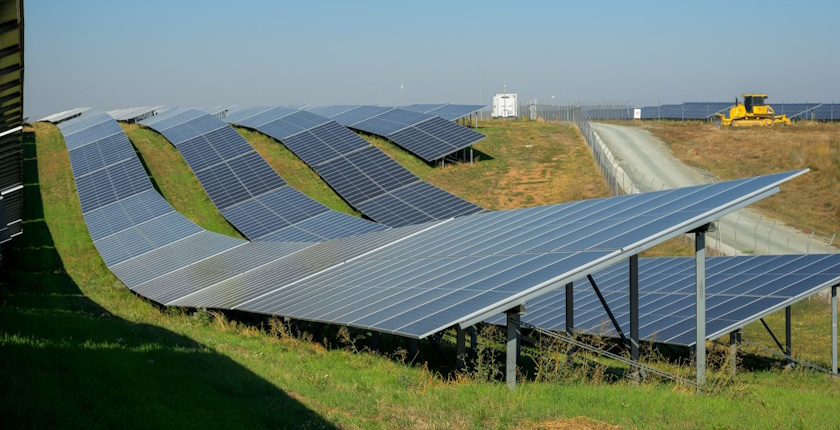
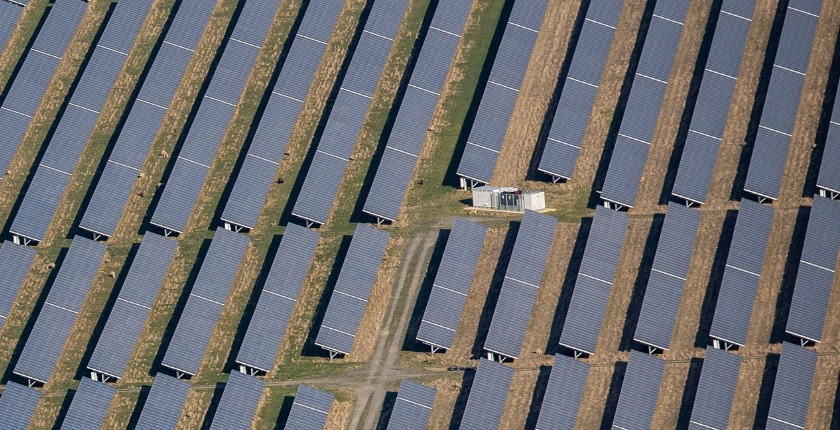
German photovoltaic system integrator Phoenix Solar AG said it would build a solar array of 6.9 MW in central Anatolia, in partnership with local company Asunim Yenilenebilir Enerji Teknolojileri, SeeNews reported. The firms were awarded the order by a Turkish consortium. Its value was not disclosed.

The contract calls for Phoenix Solar to undertake all engineering and procurement tasks, while Asinum takes on the actual construction. The project will involve the installation of six panel systems in the surroundings of the city of Kayseri, using Yingli solar modules and Advanced Energy string inverters. Phoenix Solar said it expeced construction work to start immediately and to be finalised by the end of the year.

German firm’s chief executive Tim Ryan commented that the company seeks “to steadily grow its client base in the Near and Middle East.”
Related Articles

croatia hera dso tso hep ods prosumers self consumption scheme

Electricity system operators are significant barrier for citizen energy in Croatia

07 April 2026 - Croatia has begun preparations to establish an incentives framework for promoting self-consumption from renewable energy sources

Romania Timișoara seeks contractor for municipal solar park

Romania’s Timișoara seeks contractor for municipal solar park

07 April 2026 - The Timișoara City Hall has launched the procedure for technical design services and execution for its photovoltaic project

europe bulgaria us sunotec blackstone agreement

Blackstone Tactical Opportunities backs Sunotec

07 April 2026 - Sunotec has installed approximately 15 GW of solar capacity across multiple markets, including 5 GW of utility-scale solar

IEA's Birol warns of black April in global energy crisis

IEA’s Birol warns of ‘black April’ in global energy crisis

07 April 2026 - The energy crisis surpasses the shocks of 1973, 1979 and 2022 combined, said the IEA's chief Fatih Birol and warned of "a black April"