


State-controlled power utility ESM intends to turn off the first unit of coal-fired REK Bitola within five years and convert it to natural gas, according to top officials, who vowed to phase out lignite in North Macedonia – starting with REK Oslomej.
Prime Minister of North Macedonia Zoran Zaev said the first unit in coal power plant REK Bitola would be closed and then switched to natural gas from a planned pipeline, as part of the strategy to abandon lignite use altogether in the country. He noted the government must comply with European Union rules on carbon dioxide emissions before joining it.
New coal mines can be opened within five to seven years and no licenses will be issued after that, Zaev stressed.
Remaining two units to operate for ten more years
Speaking at the same event, Chief Executive Officer of Elektrani na Severna Makedonija (ESM) Vasko Kovačevski said the unit can operate for five more years at most. The state-owned utility is investing in the modernization of the power plant’s remaining two units so that they can work for ten more years, he underscored.
The future gas power plant will have a capacity of 250 MW, according to Kovačevski. The company is also developing photovoltaic and hydroelectric facilities, he asserted and claimed energy production from polluting fuels will need to end.
Transformation can’t happen overnight
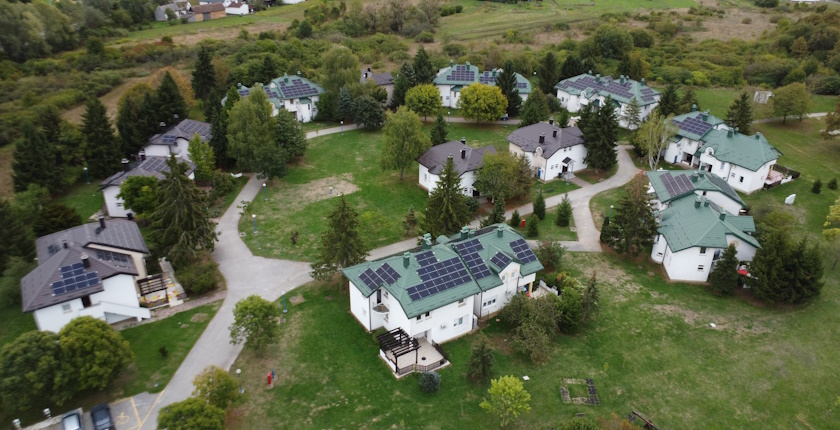
The CEO said REK Oslomej would be the first coal power plant to shut down and recalled ESM is installing solar power plants to replace the lignite complex. The transformation of REK Bitola from coal to gas can’t happen overnight as it accounts for 75% of electricity output in North Macedonia, he pointed out.
After the 50 MW wind park in Miravci is installed, another 50 MW will be added, Kovačevski claimed.
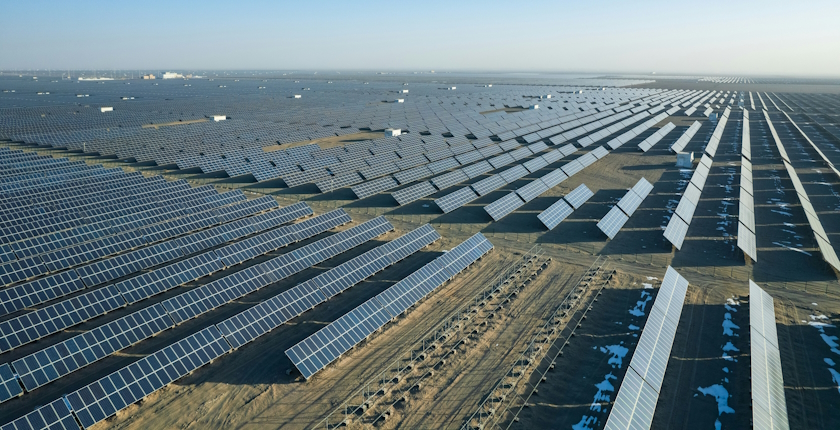
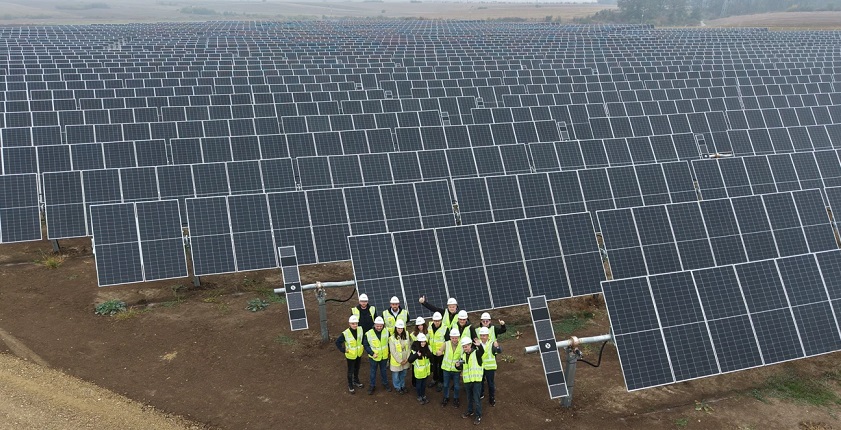
ESM developing four solar power plants
Zaev said the offers for hydropower plants Čebren and Galište would be opened on December 28 and that the two units should have 300 MW to 400 MW in total. He added the authorities are working on three wind power plant licenses for almost 100 MW overall. ESM has four more locations for photovoltaic plants of between 50 MW and 100 MW each, the prime minister stressed.
The government is considering Greece’s “very friendly” offer to join the development of a liquefied natural gas (LNG) terminal in Alexandroupolis, Zaev revealed. The 800 MW power plant planned within the project could deliver electricity to North Macedonia and help it cover its energy deficit, he said.