

Montenegro’s Ministry of the Economy published an invitation for offers in the pre-qualification procedure for tenders to upgrade the energy efficiency of two schools and a social services institution. The invitation for offers was made as part of stage two of the Energy Efficiency in Public Buildings program, the ministry said in the invitation and added that the work on the buildings will be financed from a development loan approved by the German government-controlled development bank KfW Entwicklungsbank.
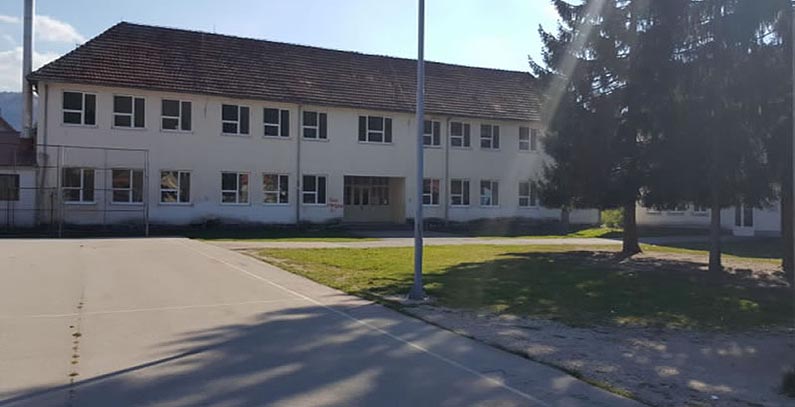
The tenders to come after the pre-qualification procedures are for work on the Aleksa Bećo Đilas elementary school and Vuksan Đukić high school in the town of Mojkovac and the social services institution Zavod Komanski most in the capital Podgorica.
The Ministry of the Economy said in the invitation that the goal of the program is to upgrade energy efficiency and improve conditions in the selected schools and social services institution which fall under the jurisdiction of the Ministries of Education and of Labor and Social Care. The overall goal of the program is to contribute to protecting the global climate and to sustainable development in Montenegro.
The Montenegrin government received the loan for the KfW development bank, whose exact amount was not disclosed in the invitation, as part of the two countries’ financial cooperation. The funds from the loan will be used to implement stage two of the project on the buildings at the two schools and social services institution, including construction work, thermal isolation, work on electrical installations, water supply and sewage systems, removing unnecessary equipment, procuring material and required new equipment and securing the grounds while work is underway.
Offers to the Ministry of the Economy can be submitted by companies and joint ventures from across the world except for those whose participation at the tender would run counter to the rules governing the KfW bank or the regulations covering public procurement in Montenegro, the invitation said.
The Ministry of the Economy will select no more than five companies that submit offers and meet the minimum requirements under the pre-qualification invitation to take part in the tenders for work on the two schools and social services institution in Mojkovac and Podgorica.
The deadline to submit offers is December 7, 2017.