


Lager from Posušje in Bosnia and Herzegovina plans to install photovoltaic plants on a former coal mining site near Sanski Most.
Lager’s main activity is the sale of construction machinery. However, it is also investing in renewables in the region. Last year the company took over one of the largest wind projects in Serbia – Snaga Istoka, of 300 MW.
Lager now submitted an initiative to the Municipality of Sanski Most in the country’s northwest to develop a regulatory plan for the coal mining area near the village of Kamengrad, Nezavisne Novine reported.
The local council endorsed the initiative and launched the procedure for a revision of the regulation plan. The council would need to put the project to vote and conduct a public debate on the proposal for the regulation plan.
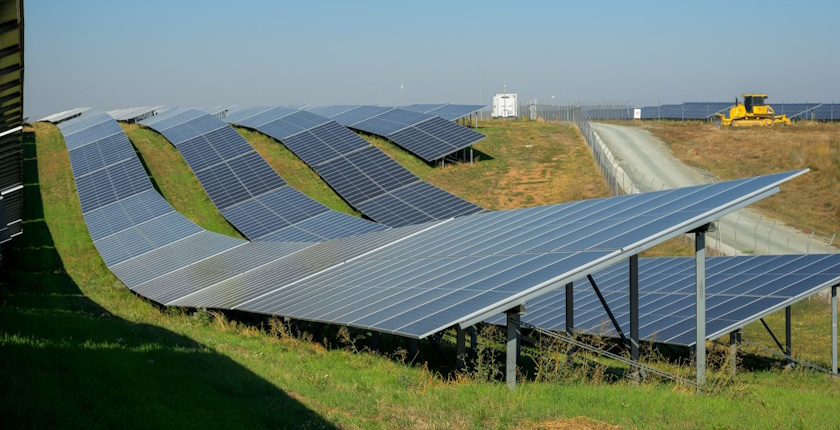
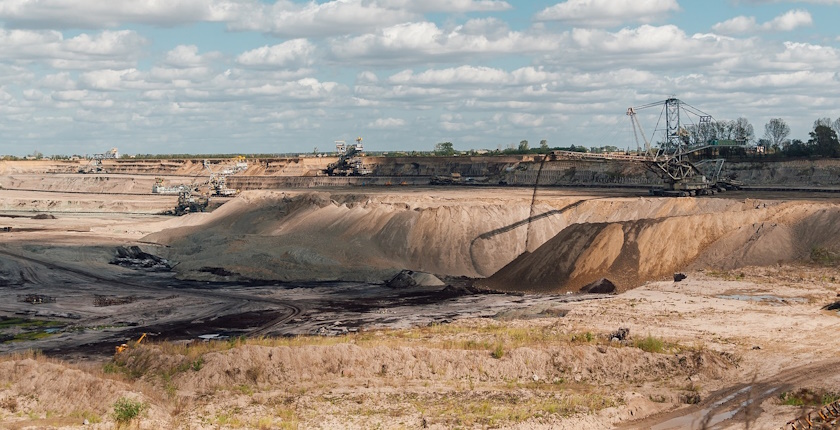
The power plants would be installed in locations where the exploitation of brown coal is finished
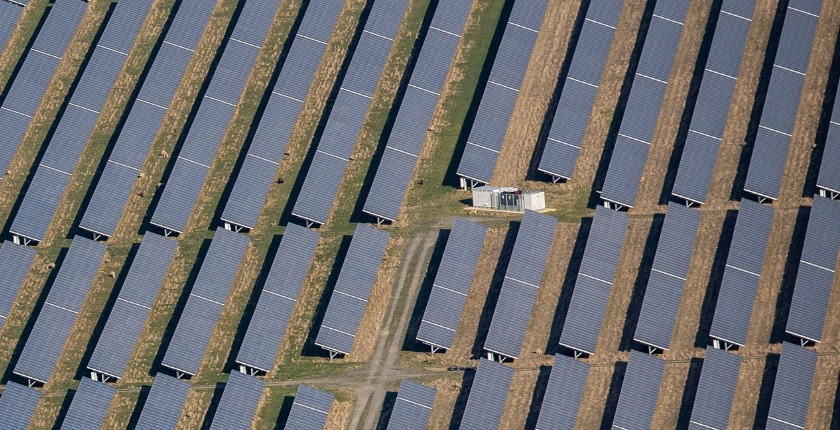
The company plans to build four solar power plants with a capacity of 25 MW to 29 MW each. The plan would cover a former coal mining site of 479 hectares.
It is part of the Kamengrad brown coal mine, privatized in 2013.
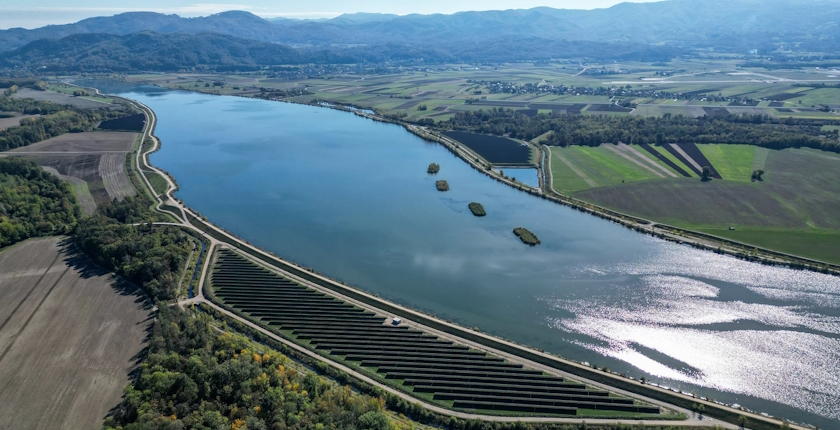
The construction of solar power plants at former coal mines is a common practice in Europe. In its southeast, there are such facilities of projects in BiH, North Macedonia, Kosovo*, Slovenia and Serbia.
Lager owns one of the largest wind power projects in Serbia
Lager is based in Posušje, a town in the Herzegovina region of BiH. It has built the second-largest wind farm in Croatia – Krš-Pađene, with a capacity of 142 MW.
The firm is currently developing two wind power projects – Žujino Polje in Croatia, of 80 MW, and a 42 MW endeavor called Gradina, in BiH.
The Snaga Istoka wind power project in Serbia is in line for connection approval from Serbia’s transmission system operator Elektromreža Srbije (EMS). The proposed facility is on the list of 51 projects that have met the conditions for concluding the so-called agreement on the preparation of the connection study.
In the group, only two would have a larger capacity than Snaga Istoka: Lovćenac and Vetrogon.