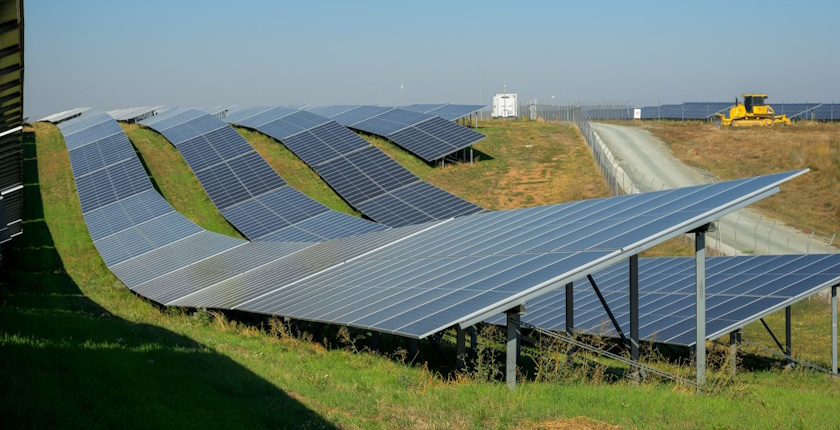


Croatia’s Istria County initiated the procedure for amending its spatial plan to include solar power plants of at least 10 MW each, and to examine the possibility to plan for offshore wind parks. Deputy Prefect Tulio Demetlika has said that the local authority wants to make the peninsula energy independent.
Istria’s Prefect Boris Miletić said there is great interest in installing solar panels and opined that it adds to the development potential for the area. The County Assembly voted to initiate changes to its spatial plan. Istria is the biggest peninsula in the Adriatic and one of the most developed regions in Croatia.
“We covered several sectors with the decision, including energy, as we are aware there are certain limitations in the spatial plan. Recently we also signed a cooperation agreement with the Faculty of Electrical Engineering and Computing as we wish to articulate the energy issue in an appropriate way in the strategic and long term. We all know about the EU’s Green Deal and the necessary fossil fuel phaseout, which is a direction that we also want to take. In addition to producing electricity in solar power plants, we will examine the possibility to utilize wind energy,” Miletić pointed out and added that all the possibilities would be elaborated on in detail.
New plan to include waste management facilities
The county’s current spatial plan is from 2016. The members of the said assembly supported the proposition to implement the initiatives launched by companies, citizens, cities and municipalities.
The Istria County is working on an energy strategy in cooperation with the University of Zagreb’s Faculty of Electrical Engineering and Computing
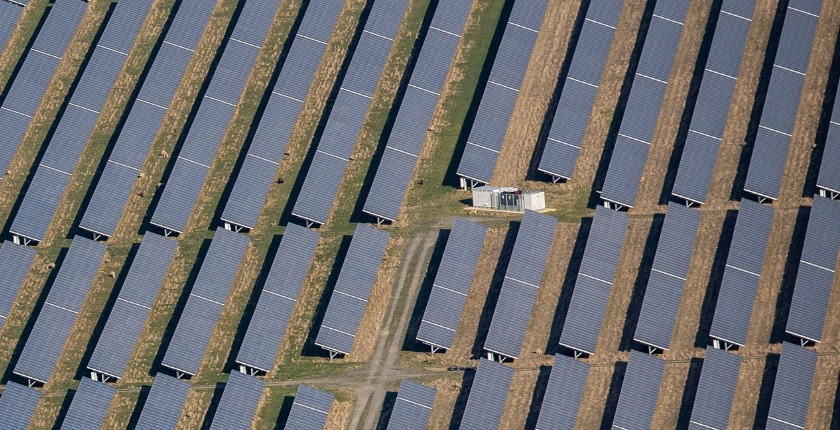
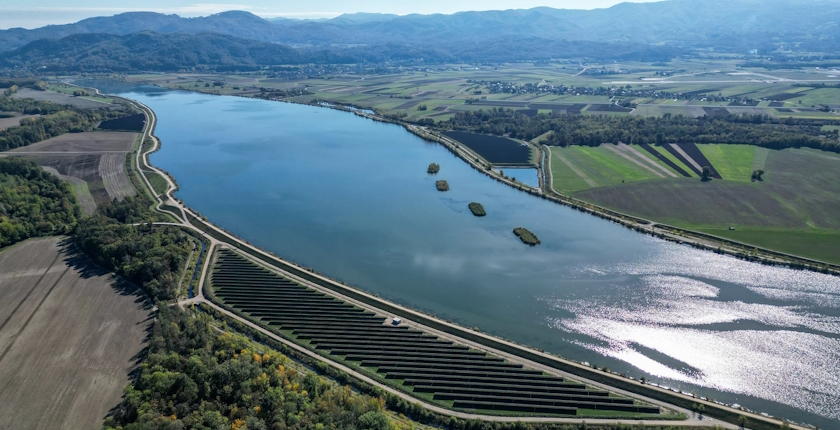
The first step is to determine the space for planning solar power plants with a minimum capacity of 10 MW each that would be significant for the country and for the county, in order to conduct the energy transition. Furthermore, among other items, the local authority will examine the possibility to plan for offshore wind power plants and regulate the implementation of the Spatial Plan of the Istria County in the part covering renewable energy production.
The assembly decided to include waste management facilities in the spatial plan. The institution added the aforementioned changes would require a strategic environmental impact assessment.
Istria has potential for 400 MW offshore wind park
The Istria County’s Deputy Prefect Tulio Demetlika has said the authority wants to make the peninsula energy independent.
Tulio Demetlika, chief of the Istrian Regional Energy Agency, asserted earlier that some research results show the average wind speed of six meters per second in Istria’s nearshore area doesn’t make it appropriate for the currently available technology for generating electricity. However, he added it is expected to become attractive for investors in offshore wind power plants.
In his words, the Istria section of the North Adriatic has the potential for a 400 MW offshore wind power plant. In an interview published in late April, Poropat said there were 200 photovoltaic systems in the peninsula with a combined capacity of 9 MW.
Istria also hosts Croatia’s only coal-fired power plant, in Plomin.