

Renewables

Investment in renewables in EU all but ceased last year

Published

March 31, 2015

Country

Comments

comments icon

0

Share

Published:

March 31, 2015

Country:

Comments:

comments icon

0

Share

Southern Europe is still almost a no-go area for investors in energy from renewable sources because of retroactive policy changes, most recently those affecting solar farms in Italy, said a press release before the launch of the ninth annual report by United Nations Environment Programme (UNEP).

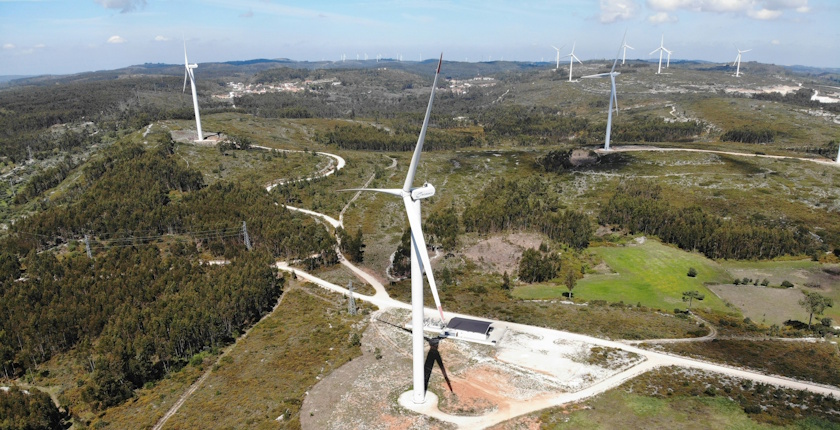
The document entitled ’Global Trends in Renewable Energy Investment 2015’ was prepared by Frankfurt School – UNEP Collaborating Centre for Climate & Sustainable Energy Finance, in cooperation with  Bloomberg New Energy Finance. Renewable energy investment across the European Union almost ground to a standstill in 2014, with less than 1 % growth, despite a strong global rebound.

In other news, rich nations provided around five times as much in export subsidies for fossil-fuel technology as for renewable energy over a decade, according to OECD data seen by Reuters, EurActiv.com reported.

Tags: ,

Related Articles

serbia knjazevac solar gcl Central Europe Energy Company

Chinese GCL takes another step in solar power project in Serbia

06 February 2026 - Chinese energy company GCL has taken another step toward building the Knjaževac solar power plant in Serbia

ANRE Prosumers Romania 3 35 GW capacity

ANRE: Prosumers in Romania reach 3.35 GW in capacity

06 February 2026 - There were almost 290,000 prosumers in Romania at the end of November, with 3.35 GW...

Slovenia endorses key green energy grid projects

Slovenia endorses key green energy, grid investments

05 February 2026 - Slovenia selected a range of PV, battery storage and grid projects eligible for support via the European Union's Modernisation Fund

European offshore wind power for a competitive EU steel industry and vice versa

European offshore wind power for a competitive EU steel industry and vice versa

05 February 2026 - Offshore wind in the North and Baltic Seas is key to Europe’s clean industrial transition, linking green steel, PPAs and the Clean Industrial Deal.