

MOL will use Plug’s 10 MW electrolysis unit powered by renewables to make up to 1,600 tons of green hydrogen per year, which will be utilized in fuel production to lower its carbon footprint.
Budapest-based fossil fuel and petrochemicals producer MOL Group has teamed up with Plug Power to build one of Europe’s largest-capacity green hydrogen production facilities at the Danube Refinery in Százhalombatta, Hungary.
Utilizing a 10 MW electrolysis unit from Plug Power, MOL’s EUR 22 million facility will be able to produce 1,600 tons of clean, carbon-neutral green hydrogen annually, according to the announcement. It will save up to 25,000 tons of carbon dioxide per year by displacing the currently used natural gas-based production process, which accounts for one sixth of the group’s CO2 emissions, the companies added.
Green hydrogen instead of fossil gas
Once operational in 2023, MOL will use the green hydrogen instead of natural gas in its Danube Refinery during fuel production and lower the carbon output from the production technology and the final product, the press release reveals.
“We are convinced that hydrogen is not only one of the most important energy carriers of the already ongoing energy transition, but it will be an essential factor in the new, carbon-neutral energy system as well,” said Gabriel Szabó, Executive Vice President of Downstream at MOL Group.
Plug has modular, scalable electrolyzers
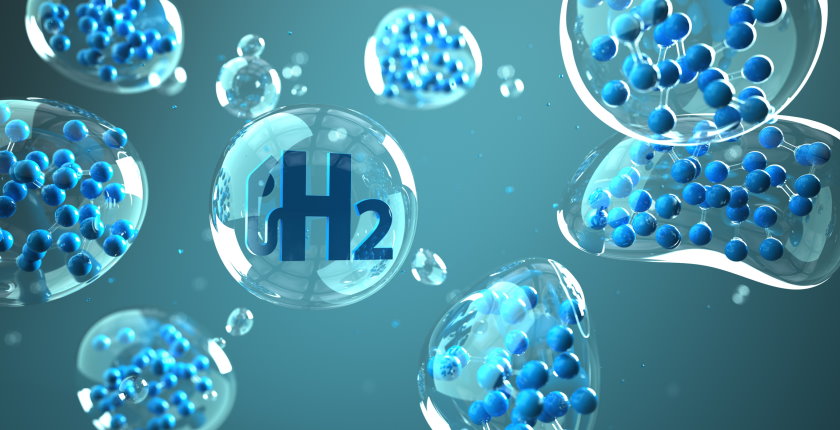
The Plug equipment uses electricity from a renewable source to split water into oxygen and hydrogen without any by-products that harm the environment. By producing one ton of hydrogen, eight to nine tons of pure oxygen is also produced.
Plug, a provider of turnkey hydrogen solutions based in New York, said its electrolyzers are modular and scalable.
MOL aims to make its operations carbon neutral by 2050
“Green hydrogen addresses two critical issues facing humanity: climate change and energy independence. And our opportunities seem limitless to support the trend to pull green hydrogen into more traditional industrial hydrogen markets throughout the world,” Chief Executive Officer Andy Marsh stated.
MOL has vowed to invest EUR 1 billion in low-carbon circular economy solutions through 2025. The company aims to reduce the carbon footprint of its operations by 30% by 2030, direct 50% of its investment into sustainable projects, and achieve carbon-neutral operations by 2050. Croatian INA is a member of MOL Group.