


Energy Efficiency

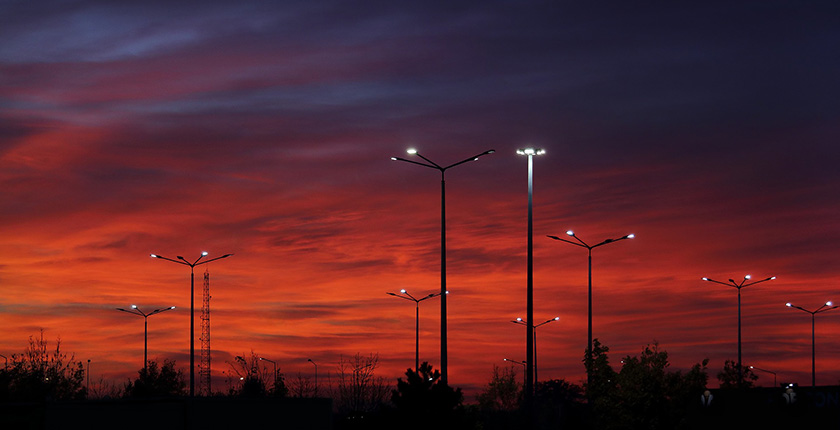
HeSaLight donates 20 street lights to Belgrade

street-lightning

Photo: Pixabay

Published

August 12, 2016

Country

Comments

comments icon

0

Share

Published:

August 12, 2016

Country:

Comments:

comments icon

0

Share

The City of Belgrade installed LED lighting in Brankova street in the centre with the help from Danish company HeSaLight from Roskilde. The donation of 20 lamps, worth RSD 2 million (EUR 16,200), will bring down electricity costs by up to 60%, mayor Siniša Mali said at the meeting with the firm’s representatives.

He added the local authority is working on a public–private partnership project to overhaul 160,000 lighting units, with the aim to complete it by the end of the year. The new lamps on one of the most polluted streets in the capital city of Serbia will reduce carbon dioxide emissions by 60% and increase the level of brightness by 15% to 20%, Beograd.rs portal said.

The equipment has adjacent sensors and a central monitoring and control system. The average life span of the LED lamps is 100,000 working hours, the press release said. The local government in Belgrade stated HeSaLight is planning to start producing the lighting equipment in Serbia in a new factory where it would initially hire 100 people.

Related Articles

On-bill financing introduced in Greece, as suppliers expand to energy upgrades

Power suppliers in Greece expanding to energy upgrades with rollout of on-bill financing

28 April 2026 - A new framework in Greece would enable power suppliers to participate in the energy efficiency market

Croatia investments EU ETS proceeds EUR 650 million

Croatia proposes investments from EU ETS proceeds of EUR 650 million

28 April 2026 - Within the framework of EU ETS, Croatia is counting on EUR 650 million through 2030 from auctions of greenhouse gas emission allowances

Bankwatch Western Balkans abandon waste to energy incineration

Bankwatch: Western Balkans must abandon waste-to-energy incineration

22 April 2026 - Plans for waste incinerators and co-incineration in the Western Balkans pose high financial and health risks, CEE Bankwatch Network warns

Too hot to cope: Why cooling must become Europe’s next social right

Too hot to cope: Why cooling must become Europe’s next social right

17 April 2026 - Europe is getting dangerously hotter, and as millions struggle with rising temperatures, bills, and health risks, access to cooling must become a social right.