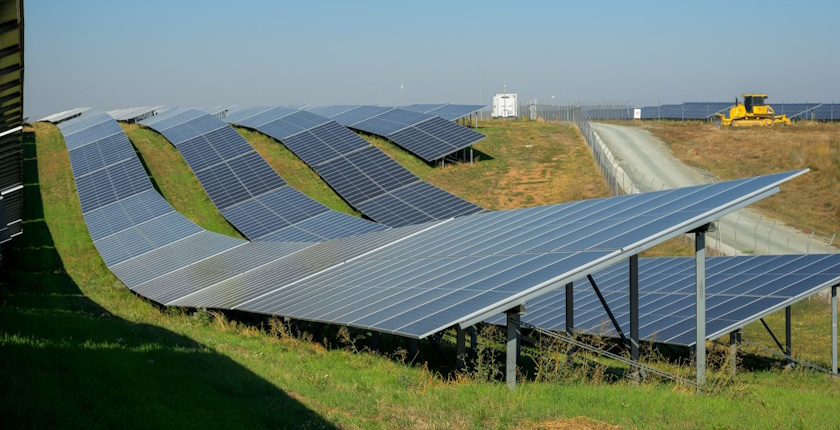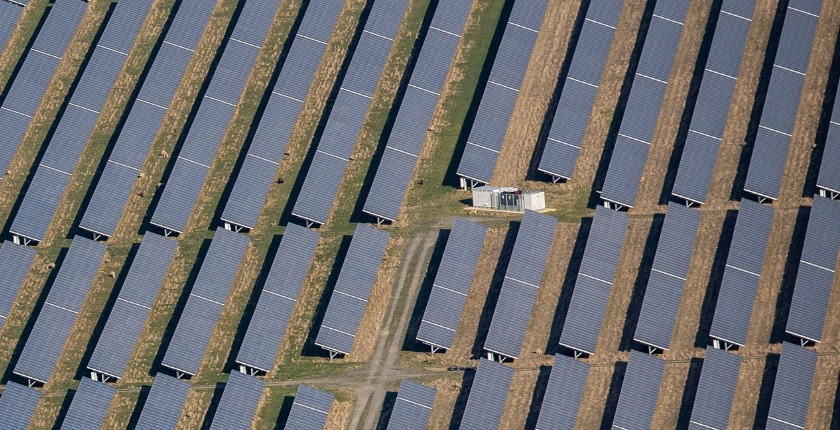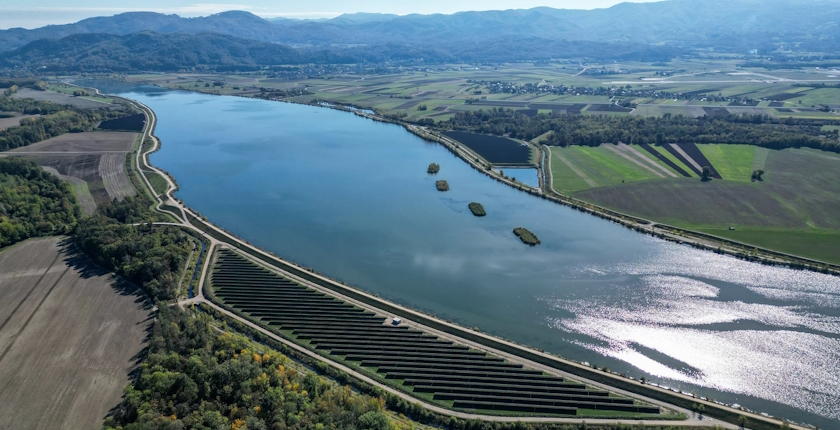



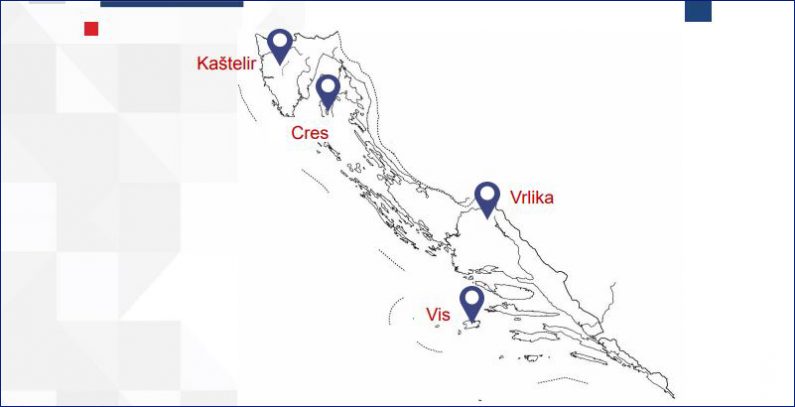
The Kaštelir, Cres, Vis, and Vrlika Jug solar power plants, with a combined capacity of 11.6 MW and value of over EUR 10 million, are the first four solar power plants that state power utility Hrvatska Elektroprivreda (HEP) plans to build as part of a major investment cycle to soak around EUR 100 million by 2023, HEP said following an event organized to announce the projects.
The Vrlika Jug, Cres and Vis solar power plants will generate electricity without having a power purchase agreement with the Croatian Energy Market Operator (HROTE) to receive incentives.
The solar power plants on the islands of Cres and Vis will help strengthen tourism infrastructure, as their electricity generation will be the highest when needed most – in the periods of increased consumption during the tourist season. All four power plant projects have been prepared in cooperation between HEP and its partners – local and regional government units and companies, HEP said in a news release.
At the event, a purchase agreement for the 1 MW Sabadin solar power plant (to be called Kaštelir in the future) was signed by Marino Roce, director of Plomin Holding, a member of HEP Group, and on behalf of the co-owners of Elektrane Sabadin, Stjepan Talan of Solvis and Rajka Matković. The Kaštelir solar power plant is a privileged power producer receiving incentives, according to HEP’s presentation.
The construction contract for the 6.5 MW Cres solar power plant was signed by Frane Barbarić, president of the board at Hrvatska Elektroprivreda and Nebojša Dulić, top man at PVI Solar, on behalf of bidders –PVI Solar, PVI GmbH, Intecco, and Deling.
The construction of the 2 MW Vis solar power plant will start this month, HEP said, recalling that the project was taken over by HEP in December 2018 from Končar OIE. HEP Proizvodnja will build the 2.1 MW Vrlika Jug solar power plant in the second half of 2019, it added.
At the event, HEP also presented integrated solar power plants it plans to install on its buildings in 2019-2020. Their total capacity is 2.1 MW and value around EUR 1.75 million.
Solar power plants with total capacity of 350 MW planned by 2030
By 2030, HEP plans to carry out solar power plant projects with a total capacity of 350 MW, said Frane Barbarić, president of the board at Hrvatska Elektroprivreda. Over the five-year period ahead, HEP will invest about EUR 20 million a year in solar power plants on average or a total of some EUR 100 million by the end of 2023, which means building 20 MW of solar capacities annually on average, said Barbarić.
HEP said earlier it plans to invest around EUR 135 million in renewable energy sources on average annually, in what will enable it to increase the renewables share from 35% to 50% by 2030.
Croatia aims to increase its wind energy capacities by a factor of three and solar energy capacities by a factor of 20 in the next 10 years, Minister of Environmental Protection and Energy Tomislav Ćorić, said recently.
With wind and other renewable energy sources, Croatia will achieve the renewables share in gross energy consumption of 32% by 2030 and at least 56% by 2050, and the renewable energy transition will help reduce harmful emissions, Ćorić said at a WindEurope conference in Bilbao in early April.