

Closing lignite power plants in the coal regions of Western Macedonia and Megalopolis in Greece translates to a big change in their economic model. At the same time, they need to adapt and make use of available capital through the European Union’s Recovery and Resilience Facility (RRF) for their energy transition.
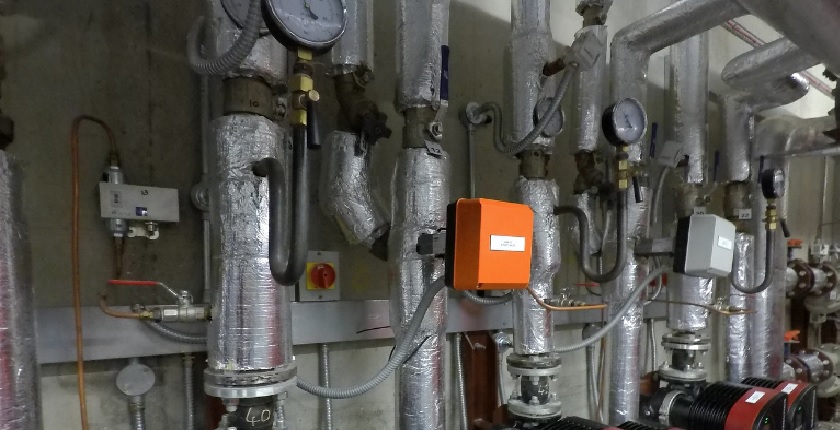
District heating from coal power plants adds to the complexity in Western Macedonia, where winters are often harsh. When they shut down in the next few years, people will have to turn to new solutions for their needs, either individually or collectively.
It should also be noted that the intermittent operation of lignite plants lately has led to outages in district heating and many complaints from consumers.
SEFPE proposes bold plan for Western Macedonia
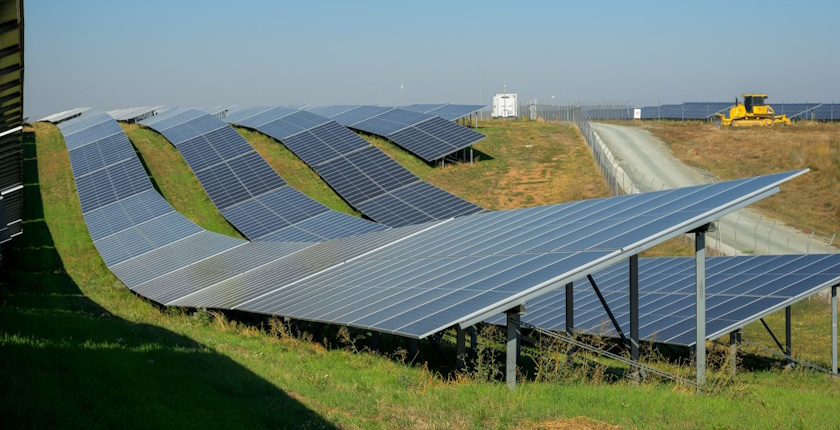
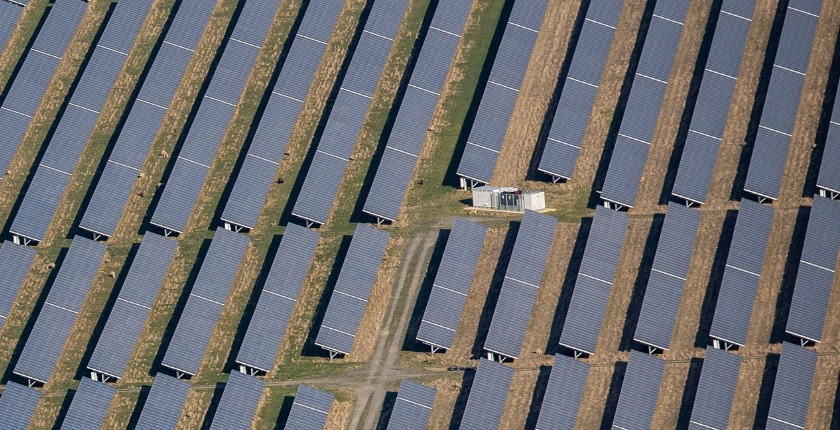
The Small Photovoltaic Investors Association of Western Macedonia (SEFPE) has a new idea. It proposed a joint investment in a 200 MW photovoltaic plant together with heat pumps in the investors’ homes.
Siampanopoulos: 43,000 households affected
According to SEFPE’s vice chairman Konstantinos Siampanopoulos, 43,000 households in Ptolemaida, Kozani and Amyntaio are currently connected to district heating. The total investment to include them in the PV plant and to install heat pumps is expected to reach EUR 250 million to EUR 280 million. After the solar park is completed, a net metering solution would be implemented to reduce energy costs for each home.
Such solutions were successful in places like Crete and Ioannina. However, the scale required for Western Macedonia is much larger.
Given the complexity of the plan, alternatives are also being examined, such as natural gas and cogeneration.
High interest in energy communities
The concept of joint investments in renewables is very popular in Greece. Organizations such as the Agrinio Farmers Union have created numerous energy communities to build wind and solar farms and reduce their members’ energy costs.
However, the current New Democracy government has taken a tough stance. The Ministry of Environment and Energy claims such communities have taken advantage of regulations and withheld space in the power grid without realizing most of their plans.
As a result, the legal framework was changed, making it more difficult to form an energy community. At the same time, given the limited space in the grid, it is harder than before to secure connection terms for projects.
In addition to the government limiting the maneuvering space, community projects also face obstacles from local bodies. The Agrinio Farmers Union’s plan to build a 100 MW solar plant was rejected by the municipal council back in 2022.