







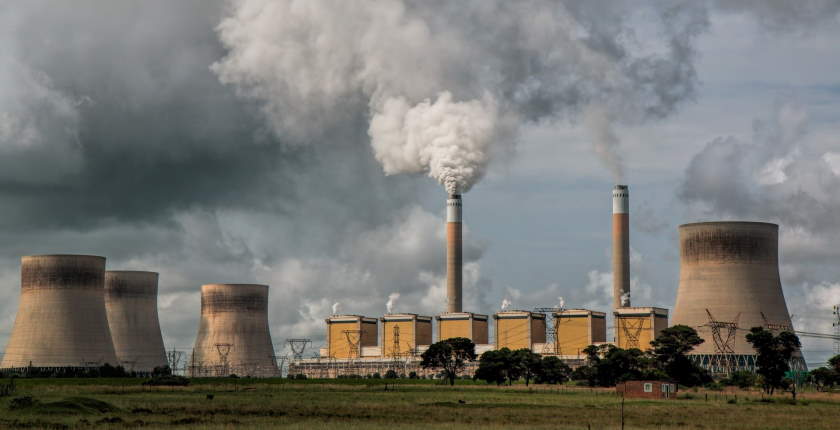
Photo: Steve Buissinne from Pixabay


The G7 climate and environment ministers have agreed to end new direct government support for coal power generation on a global scale by the end of 2021 and confirmed a pledge to eliminate fossil fuel subsidies by 2025.
The group of the most developed countries became “net-zero G7” this year as they all committed to reaching net-zero carbon emissions by 2050 at the latest, with deep emissions reduction targets in the 2020s.
All member countries have vowed to cut net emissions to zero
The climate and environment ministers of the G7, under the United Kingdom’s leadership, secured historic commitments which will put climate, biodiversity, and the environment at the heart of worldwide COVID-19 recovery, according to a press release by the UK presidency.
As a first step, the G7 countries will end all new finance for coal power by the end of 2021, matched by increased support for clean energy alternatives like solar and wind. It was also agreed to accelerate the transition away from unabated coal capacity and to an overwhelmingly decarbonized power system in the 2030s.
Continued global investment in coal power generation is incompatible with keeping 1.5°C within reach
“Continued global investment in unabated coal power generation is incompatible with keeping 1.5°C within reach, so we stress that international investments in unabated coal must stop now and commit to taking concrete steps towards an absolute end to new direct government support for unabated international thermal coal power generation by the end of 2021,” the environment ministers communique reads.
G7 agreed to conserve or protect at least 30% of the world’s land and at least 30% of the world’s oceans by 2030
All G7 members signed up to the global ‘30×30’ initiative to conserve or protect at least 30% of the world’s land and at least 30% of the world’s oceans by 2030, and committed to ‘30×30’ nationally.
The G7 has agreed to increase the quantity of finance for climate action, including for nature, in order to meet the USD 100 billion per annum target to support developing countries, the UK presidency said.
Progress made ahead of COP26 in Glasgow – Alok Sharma
According to COP26 President-Designate Alok Sharma, the G7 is showing great leadership under the UK’s presidency in tackling climate change and making sure those who are worst affected by it are better protected.
“We know we need to consign coal to history and the G7 has taken a major step towards a decarbonized power system. We are acting abroad as we’re doing at home by agreeing to phase out international fossil fuel finance, starting with coal – another key milestone in this crucial year for climate action. I look forward to continuing this work as we make progress ahead of COP26 in Glasgow later this year and keep 1.5 degrees within reach,” Sharma said.



Be the first one to comment on this article.