



Turkish renewable energy sector is one of the sectors to be financially supported by the Agriculture and Rural Development Support Institution (ARDSI) under the Farm Diversification and Business Development Measure. The online applications are open until March 12, while the submission of applications could be made until March 15.
Renewable energy investments are included as new sectors in the scope of supports with the Instrument for Pre-Accession Assistance in Rural Development Programme II (IPARD II).
IPARD has assisting Turkey in implementing the EU’s Common Agricultural Policy (CAP) acquis communautaire and to align to the EU structures through financial assistance under a multi-annual rural development program.
Recently, the EU confirmed a new package of support IPARD II for the next six years, with additional EUR 800 million to Turkey and more support to innovation and skills development by introducing support for renewable energy infrastructure as well as community development initiatives (LEADER) and agri-environment measures.
Recipients will be provided with grants ranging from 50 to 65 percent for eligible expenditures, mondaq portal reports, quoting ARDSI’s statement.
Farmers or farm household members that diversify their farming or the other activities, people who live in rural areas and carry on a renewable energy sector, and legal persons who either have investments or activities in rural areas or are looking to do so, are eligible applicants.
The applicants may benefit from the grant for their existing or a new operation located at one of the 42 Turkey’s provinces, the statement said.
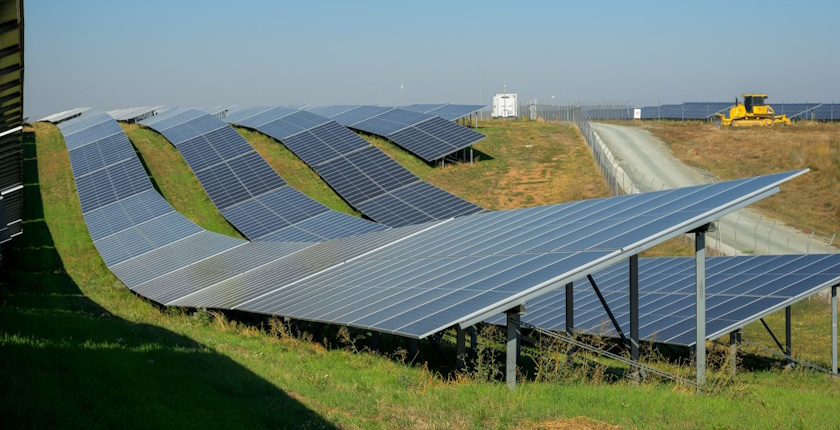
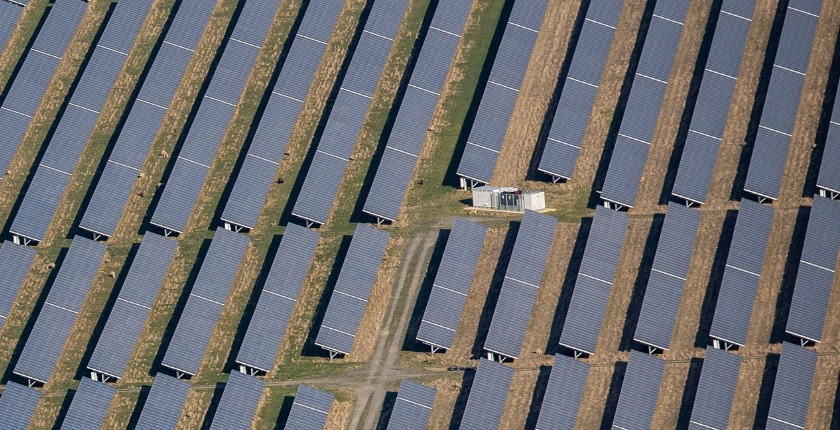
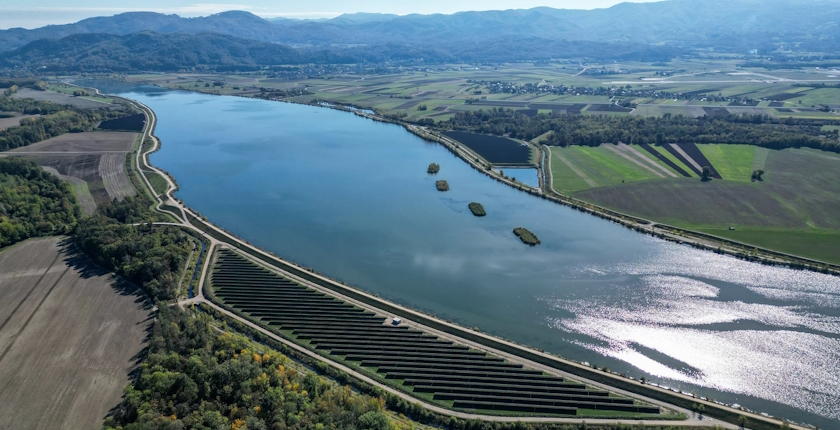
All kinds of renewable energy activities that generate electrical energy and heat are eligible – biofuels, biogas, biomass, concentrated solar energy, geothermal, solar energy, thermal solar energy, photovoltaic, wind pumps, wind turbines and combinations.
ARDSI said that renewable energy investments up to 1 MW capacity (up to 100 kWe for micro-cogeneration investments) will be supported.
Ranking criteria favor applicants younger than 40 years and women, and those who never signed a contract within the scope of IPARD before.
The EU and the Republic of Turkey will co-finance the program planned to be implemented in 42 provinces in Turkey.