





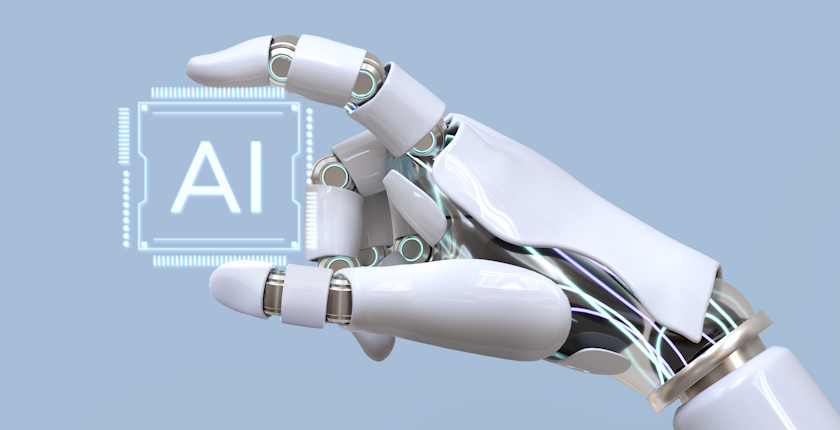
Photo: Freepik


Author: Mbuwir Brida, EUSEW Young Energy Ambassador
Have you tried asking ChatGPT what the world’s most pressing challenge is? It ranks climate change as the first challenge. So, how about we use the technology behind ChatGPT to solve that challenge?
The most significant way to mitigate climate change is to move from fossil fuels to renewable energy: the energy transition. This entails bolstering the integration of variable renewable energy sources into the power grid. Thus, more powerful and innovative tools are required to plan and operate the grid to ensure a secure and reliable grid as the energy transition progresses.
This need comes at a time when ground-breaking advancements are being made in artificial intelligence (AI), mimicking several aspects of human intelligence via large scale data analysis and relevant domain knowledge to generate outcomes. The digitalisation of the grid (e.g., via smart meters, sensors, and digital twins) provides massive amounts of data, making AI uniquely placed to support the energy transition. But will AI fix all grid challenges?
Forecasting for a more reliable power grid

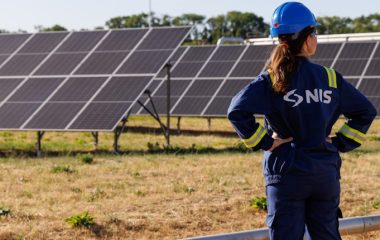
The predictive capability of AI models is a game-changer for the energy sector, from energy generation to consumption and energy markets. One major application has been to predict and optimise energy generation of solar and wind installations: e.g., AI models use weather data together with historical measurements to predict energy production and consumption required for grid planning.
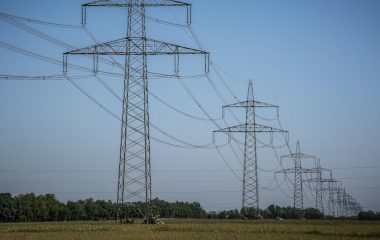
For example, the transmission network operator in Belgium, Elia, has developed an AI-based tool that reduces the system imbalance forecast error by 41% in their effort to keep the grid frequency stable with increasing renewable energy integration. This predictive capacity of AI models has also been used for predictive maintenance of wind farms and power lines. Thus, AI-based algorithms facilitate real-time monitoring and control of electricity transmission and distribution, allowing for dynamic adjustments in response to fluctuating energy supply and demand.
Moreover, AI algorithms automatically detecting faults, generating real-time power restoration strategies, and switching to backup power sources can reduce system downtime, enhancing power system reliability. Hence, AI not only facilitates grid management and renewable energy integration but also fosters a more efficient, reliable, and secure power grid.
On the energy consumption side, AI-driven energy management systems have seen significant progress. These energy management systems optimise energy usage by learning user preferences, adapting to weather conditions, and other external events such as electricity prices. For example, Belgian tech startup Pleevi has developed machine learning based algorithms to control electric vehicle charging, reducing electricity cost up to 30% while promoting the use of forecasted local energy generation. Swedish-Swiss electrification and automation company, ABB, on the other hand has developed AI-based tools for predicting and managing energy consumption peaks in commercial and industrial buildings, helping these large consumers to avoid peak demand charges.
Advanced technology comes with risks and roadblocks
While notable advancements have been made, the complexity of regulatory frameworks, ethical considerations, and the multifaceted nature of energy systems still challenge the integration of AI in the energy sector. Security concerns and data privacy issues raise important questions on the safe use of AI in the energy sector and, therefore, compliance with the European Artificial Intelligence Act. Additionally, the environmental impact of manufacturing AI hardware and the high energy and water consumption of data centres highlight some roadblocks that must be addressed for the sustainable use of AI. Moreover, the decision-making process of AI algorithms often remains unexplainable and unaccountable. All these aspects make the adoption of AI-based solutions challenging for users due to the significant energy security and financial implications.
Will AI fix all grid challenges related to the energy transition?
As the synergy between AI and the energy sector continues to unfold, interdisciplinary collaboration and a commitment to ethical and responsible AI deployment remain essential to fully unlock the potential of this intersection. However, the promise of fully autonomous systems, where AI orchestrates every aspect of the grid, is still a long way from becoming reality, considering the aforementioned hurdles. In reality, the integration is an ongoing process marked by incremental achievements and new challenges.
In 2026, the European Commission will adopt a Strategic Roadmap for digitalisation and AI in the energy sector, aiming to leverage the potential of digital and AI technologies while mitigating the associated risks.
This opinion editorial is produced in co-operation with the European Sustainable Energy Week 2026. See ec.europa.eu/eusew for open calls.
Disclaimer: This article is a contribution from a partner. All rights reserved.
Neither the European Commission nor any person acting on behalf of the Commission is responsible for the use that might be made of the information in the article. The opinions expressed are those of the author(s) only and should not be considered as representative of the European Commission’s official position.

Be the first one to comment on this article.