






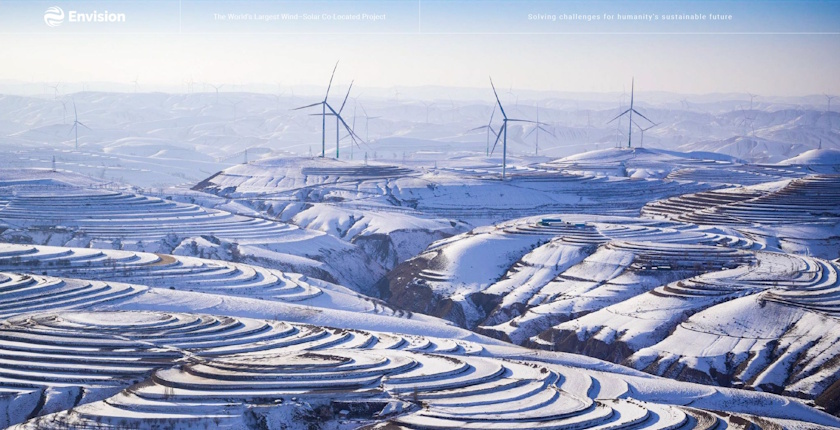
Photo: Envision


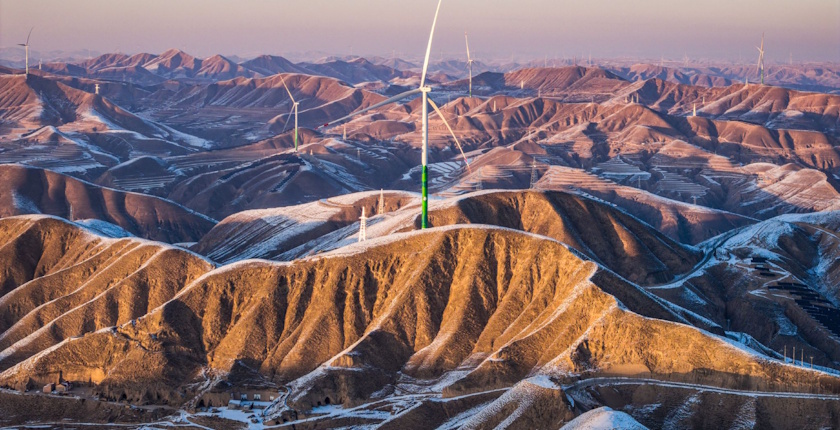
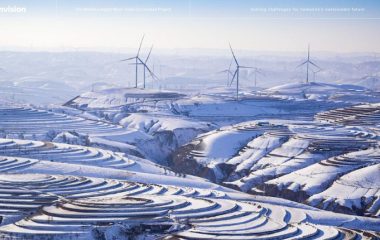
The world’s largest wind-solar co-located system is now in operation on the Loess Plateau in northwest China, according to green technology company Envision Energy.
The hybrid power plant combined 4.5 GW of wind and 1.5 GW of solar, representing a new milestone for the worldwide renewable energy sector. It also marks another record achievement for Envision Group. Envision Energy is part of Envision Group.
In February, the China-based company commissioned the world’s largest single-site battery energy storage system, the 4 GWh Envision Jingyi Chagan Hada.
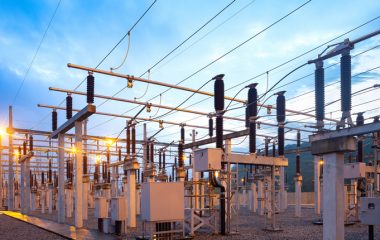
With a total capacity of 6 GW, the complex generates over 12 TWh of green electricity annually, delivered via ultra-high-voltage (UHV) lines to industrial regions along China’s eastern coast, Envision said.
The project required strong execution due to complex terrain
The company explained that the project required strong execution due to complex terrain of valleys and desert edges, with limited construction windows.
Once seen as a harsh and resource-constrained landscape, the Loess Plateau is now being transformed into a source of stable, large-scale green power, the company stressed.
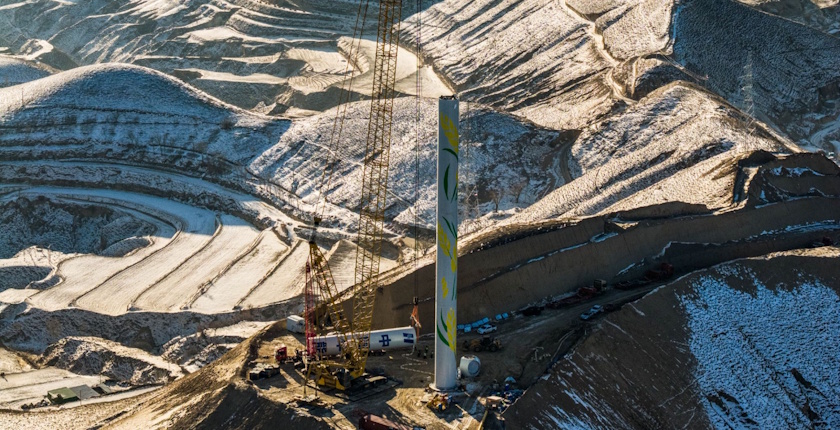
Envision implemented three solutions to tackle these issues.
The first one is “tailored turbine and technology solutions”. Envision installed EN-200/5.56 MW turbines for low-wind mountainous conditions. They feature a large rotor and high-capacity design to reduce turbine count and accelerate delivery.
Envision has transported 99-meter blades through steep, winding mountain roads
The second is “supply chain and organizational capability in complex environments”. Coordinated deployment across multiple manufacturing bases enabled the company to quickly mobilize resources and achieve efficient execution.
It included the transport of 99-meter blades through steep, winding mountain roads with highly precise coordination, the update reads.
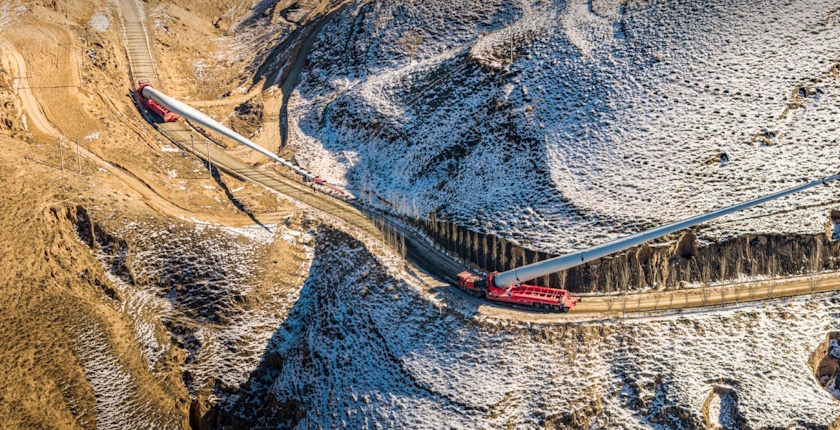
The company also claims it has demonstrated “extreme-condition delivery capability”.
A 1:1 allocation of transport and lifting equipment per turbine enabled continuous installation within a 150-day construction window, while single-blade installation further improved efficiency and site adaptability, according to Envision.

Be the first one to comment on this article.